
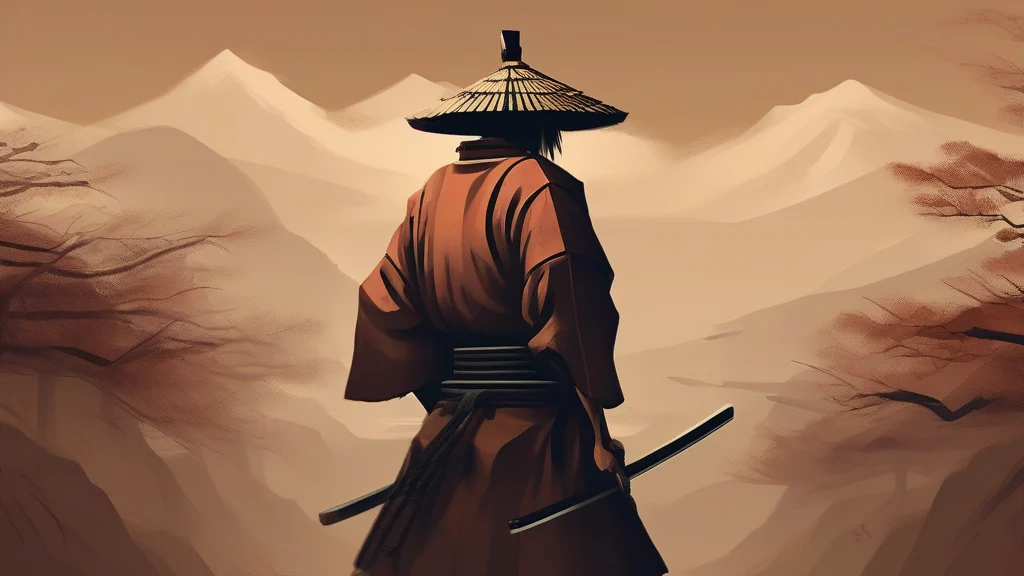
What does samurai mean?
Samurai refers historically to members of Japan’s warrior class, who served feudal lords and fought with weapons such as swords, bows, and spears. The word is associated with discipline, martial skill, loyalty, and the social code known as bushido, although popular accounts often simplify that varied and complex tradition. In contemporary English, samurai is also sometimes used figuratively for someone who combines exceptional training with determination or an exacting code of conduct. The term is most accurate when referring to historical Japanese warriors or a specific Japanese martial tradition, and it can sound theatrical or fictional when applied casually to a modern fighter.
A member of the historical Japanese warrior class, especially one who served a lord or feudal clan.
"A samurai could spend years training in swordsmanship and archery."
Historically specific to Japan; the plural is usually the same as the singular.
A disciplined or highly skilled martial fighter, especially in modern figurative or popular usage.
"The fighter moved through the contest with the focus of a samurai."
This extended sense is common in popular culture but may sound stylized or theatrical.
The noun is generally invariant: samurai is used for both the singular and plural.
"Several samurai gathered in the courtyard before the duel."
The word samurai originally referred to anyone who served, before it became closely associated with Japan’s legendary warrior class.
Reviewed by Deb Chak, Editor. AI-assisted content curated by RJS Tech Solutions LLP.
Where does samurai come from?
The word comes from Japanese 侍, historically meaning “one who serves,” especially a person serving a lord or clan. It entered English in the late nineteenth century, initially referring to members of Japan’s feudal warrior class. Its modern literary and popular uses have sometimes broadened the term beyond its precise historical meaning.
How samurai is actually used
Historically, the term refers specifically to members of Japan’s premodern warrior class. In modern English it can be used more broadly for a martial fighter, but that use may sound stylized, humorous, or influenced by popular culture.