
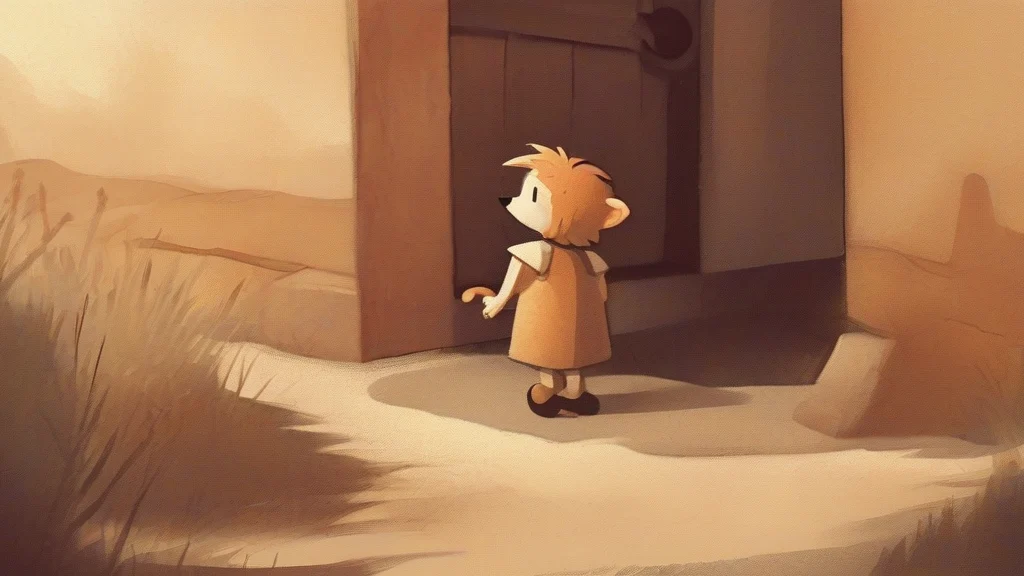
What does scamp mean?
A scamp is a mischievous person, most often a playful or naughty child. The word is commonly used affectionately in stories, family conversation, and humorous descriptions: a child who has hidden someone's belongings, broken a rule, or generally refuses to behave. It may also sound charming while implying that the child is lively, unconventional, and difficult to control. An older and less common sense refers to a dishonest or disreputable person, such as a swindler or rogue, especially in dated literature. Modern usage therefore combines affection with mild disapproval, making “scamp” more playful than genuinely critical. Although it can sound old-fashioned in formal writing, the word remains familiar in British and American English, especially when addressing or describing children. Its modern sense contrasts with its earlier association with deception.
nounA mischievous person, especially a child. In older or more literary use, it can also mean a rogue or dishonest person.
- A mischievous or impish person, especially a child.
- A dishonest or disreputable person; a rogue or swindler.
"The children called him a scamp, but he was always the first to help when someone needed him."
"The little scamp hid everyone's shoes before breakfast."
"In older fiction, the landlord was described as a dishonest scamp who had cheated several tenants."
The plural is used for multiple mischievous people, particularly children.
"The scamps raced through the garden while their teacher was indoors."
What began as a label for a swindler can now be an affectionate term for a playful child.
Reviewed by Deb Chak, Editor. AI-assisted content curated by RJS Tech Solutions LLP.
Where does scamp come from?
Scamp appeared in English during the 17th century with meanings connected with cheating, deception, or a dishonest person. It later acquired the now-dominant sense of a mischievous person, particularly a child. The word's precise origin is uncertain, though dictionaries have connected it with a Dutch word associated with jesting or joking.
Related word forms
How scamp is actually used
The word is often affectionate or humorous when applied to a child, though it may imply persistent mischief. The sense meaning a swindler or rogue is now literary, dated, or context-dependent.
Easily confused with scamp
A scamp is a person, usually a mischievous child, whereas a scam is a fraudulent scheme or dishonest trick.