
What does scariest mean?
“Scariest” is the superlative of “scary,” and it identifies whichever person, thing, place, or experience causes the greatest fear. It is widely used in everyday speech and informal writing: a film can be “the scariest I have ever seen,” a stretch of a journey can be “the scariest part,” or someone can call a creature “the scariest animal in the forest.” In formal prose, “most frightening” or “most terrifying” will often sound smoother, while “scariest” retains a conversational emphasis and sometimes a playful or hyperbolic tone. The word can stand before a noun or be used on its own after “the,” as in “That was the scariest.” Its pronunciation retains the separate vowel sound represented by the y: “SKAIR-ee-ist,” rather than compressing the word into two syllables. As a superlative, “scariest” naturally evokes the most intense member of a group, making it useful for ranking vivid fears and for expressive, memorable descriptions.
adjectiveScariest is the superlative form of scary and means “the one that is most frightening or alarming.”
- The most frightening, alarming, or unsettling of a group of people, things, places, or experiences.
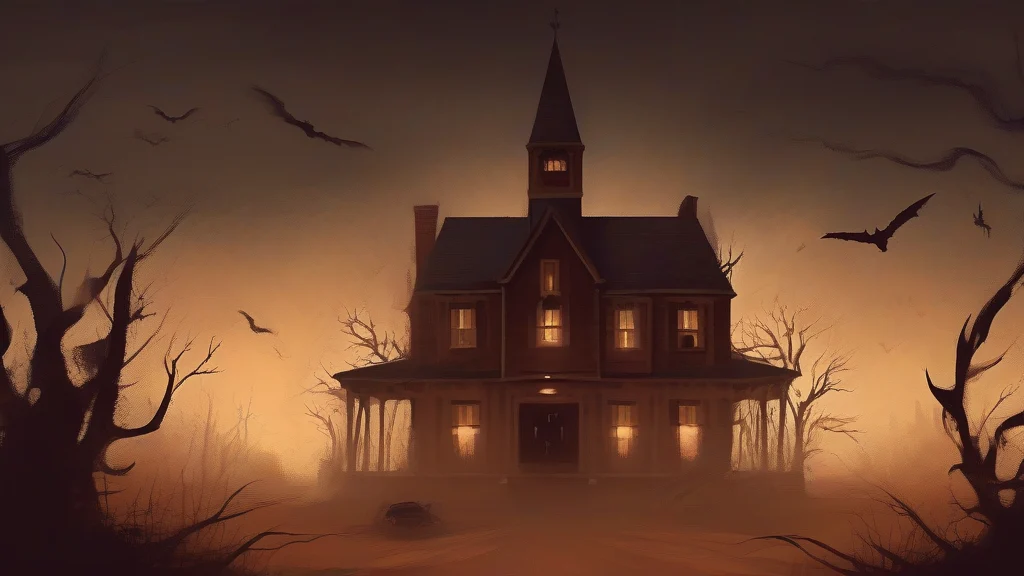
"The abandoned house was the scariest place we visited during the trip."
"A giant spider is probably the scariest creature I have ever encountered."
"That was the scariest part of the entire expedition."
The y changes the sound: scariest is normally pronounced SKAIR-ee-ist, with three syllables rather than two.
Reviewed by Deb Chak, Editor. AI-assisted content curated by RJS Tech Solutions LLP.
Where does scariest come from?
Scariest was formed by adding the English superlative suffix -est to scary. Scary itself was created in the early nineteenth century from the older verb scare and the suffix -y, initially gaining especially strong recognition in American English. The verb scare descends from Old English scearwan, meaning “to frighten,” and belongs to a Germanic family that includes forms such as Old Norse skirra and German schrecken associated with fear or fright.
How scariest is actually used
Scariest is common in everyday speech and informal writing. It can function attributively or stand alone after “the,” as in “That was the scariest.” Formal prose may prefer “most frightening” or “most terrifying.”