What does schottische mean?
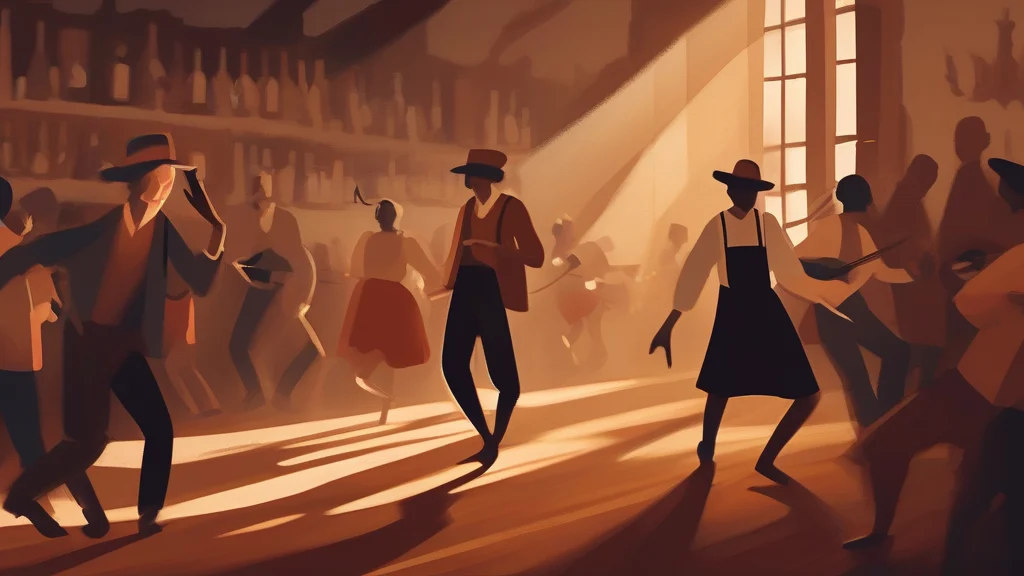
The schottische is a type of folk dance that originated in Scotland and has since become popular in many parts of the world. It is characterized by a series of quick steps and turns, and is often performed at social gatherings and cultural events. The schottische is a lively and energetic dance that is typically performed to traditional music, and is a popular choice for couples and dance troupes alike. While it may not be as well-known as some other types of dance, the schottische is a unique and enjoyable style that is worth learning and experiencing. With its rich history and cultural significance, the schottische is a dance that is sure to delight audiences and dancers alike.
nounA schottische is a type of folk dance, typically performed in a lively and energetic style, characterized by a series of quick steps and turns.
- A type of folk dance
"The couple took to the dance floor to perform a lively schottische, their feet moving swiftly to the music."
"The couple's schottische was a highlight of the evening's entertainment."
"The dance troupe performed a traditional schottische as part of their cultural heritage show."
The plural form of schottische is used to refer to multiple instances of the dance, and is often used in formal or written contexts.
"The dance troupe performed several schottisches as part of their cultural heritage show."
Reviewed by Deb Chak, Editor. AI-assisted content curated by RJS Tech Solutions LLP.
Etymology of schottische
The schottische originated in Scotland in the 18th century, where it was known as the 'schottis'. The dance was brought to Europe by Scottish immigrants, where it became popular in Germany and France. The schottische is a cognate of the German 'Schottisch' and the French 'scottish', both of which refer to the same type of dance.
How schottische is actually used
The schottische is often performed at social gatherings and cultural events, and is characterized by its lively and energetic style.