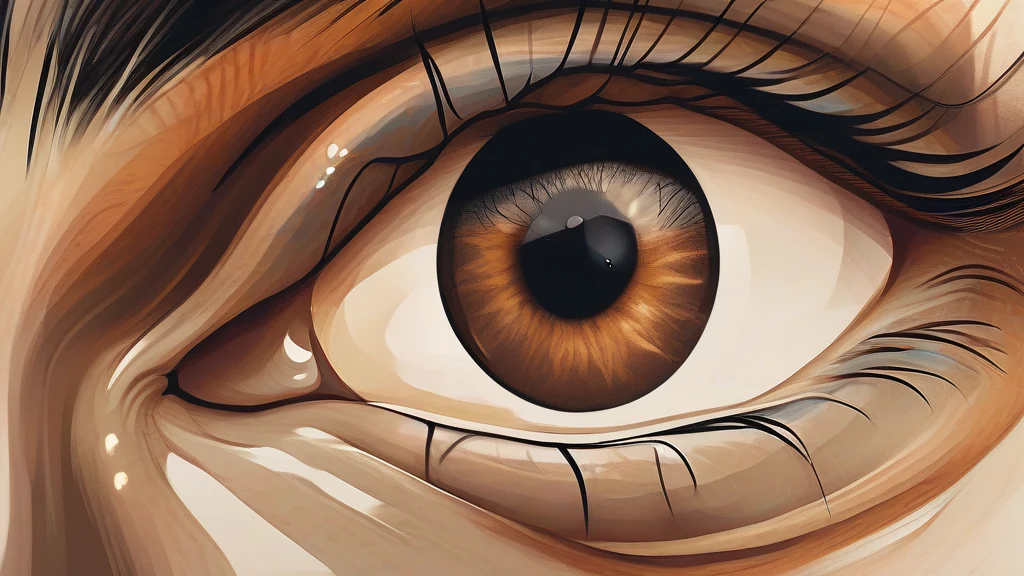
What does sclera mean?
The sclera is a critical component of the human eye, serving as its outer protective layer. Composed of tough, fibrous connective tissue, it provides essential structure and safeguarding for the delicate internal components of the eyeball. The sclera is perhaps best known for its visible portion, often referred to as the 'white of the eye', which is readily observable. However, it encompasses more than just this visible section, playing a vital role in maintaining eye health and integrity. Understanding the sclera is important for comprehending various ocular conditions and diseases that affect this part of the eye.
nounThe sclera is the white, fibrous, connective tissue that makes up the outer layer of the eyeball, providing protection and structure.
- The outer layer of the eyeball
"The doctor examined the patient's sclera for any signs of damage or disease."
"The sclera helps maintain the shape of the eye."
"In some diseases, the sclera can become discolored or inflamed."
The plural form is rarely used, as the sclera is typically considered a singular, collective structure.
Reviewed by Deb Chak, Editor. AI-assisted content curated by RJS Tech Solutions LLP.
Etymology of sclera
The term 'sclera' originates from the Greek word 'sklēros', meaning 'hard'. This etymology reflects the sclera's composition of tough, fibrous tissue. The word has been adopted into various languages, often with minimal modification, due to its importance in medical and anatomical nomenclature.
How sclera is actually used
The term sclera is primarily used in medical and anatomical contexts. It is often used interchangeably with 'white of the eye', although technically the sclera includes the entire outer layer, not just the visible white part.