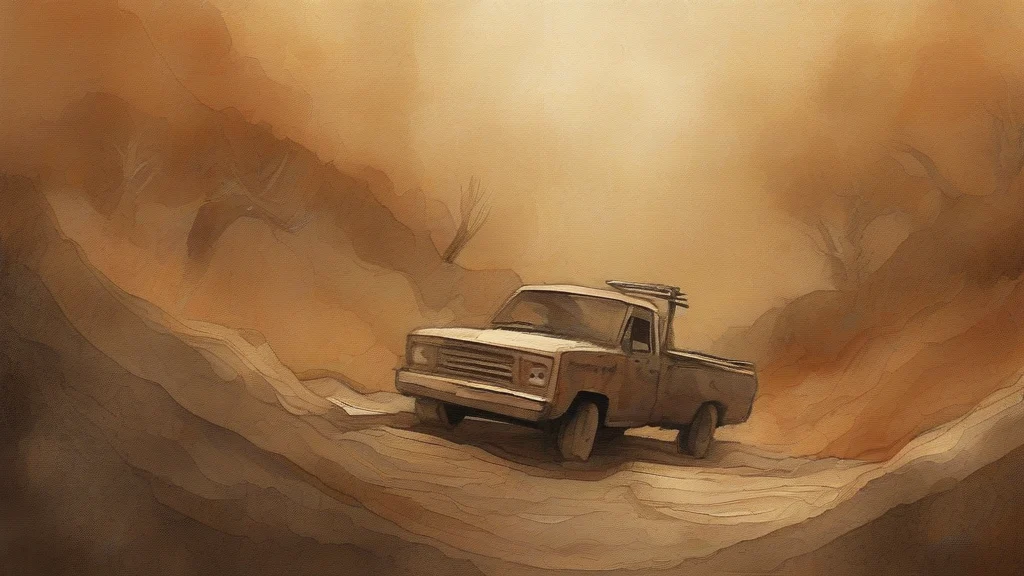
What does scumbling mean?
Scumbling is a painting technique that involves applying a thin, opaque layer of paint over a previously painted area to create a textured, rough effect. This method is often used in watercolor and gouache painting to add depth, visual interest, and subtle shifts in color and texture. By using scumbling, artists can achieve a range of effects, from soft, nuanced transitions to bold, expressive textures. The technique requires a delicate touch and a deep understanding of color and composition. Scumbling can be used to create complex, layered artworks that invite the viewer to explore their texture and visual depth.
nounA technique used in painting, particularly in watercolor and gouache, where a thin, opaque layer of paint is applied over a previously painted area to create a textured, rough effect.
- A painting technique
- A decorative effect in art
"The artist employed scumbling to add a sense of depth and visual interest to the landscape."
"The artist's use of scumbling added a unique dimension to the piece."
"Scumbling can be used to create subtle, nuanced shifts in color and texture."
Reviewed by Deb Chak, Editor. AI-assisted content curated by RJS Tech Solutions LLP.
Etymology of scumbling
The term 'scumbling' originates from the verb 'to scumble,' which is derived from the word 'scumble,' a type of opaque glaze used in painting. The exact etymology of 'scumble' is unclear, but it is believed to have originated in the 17th century. The technique of scumbling has been used by artists for centuries, particularly in the Netherlands and England.
How scumbling is actually used
This term is primarily used in the context of visual arts and painting.