
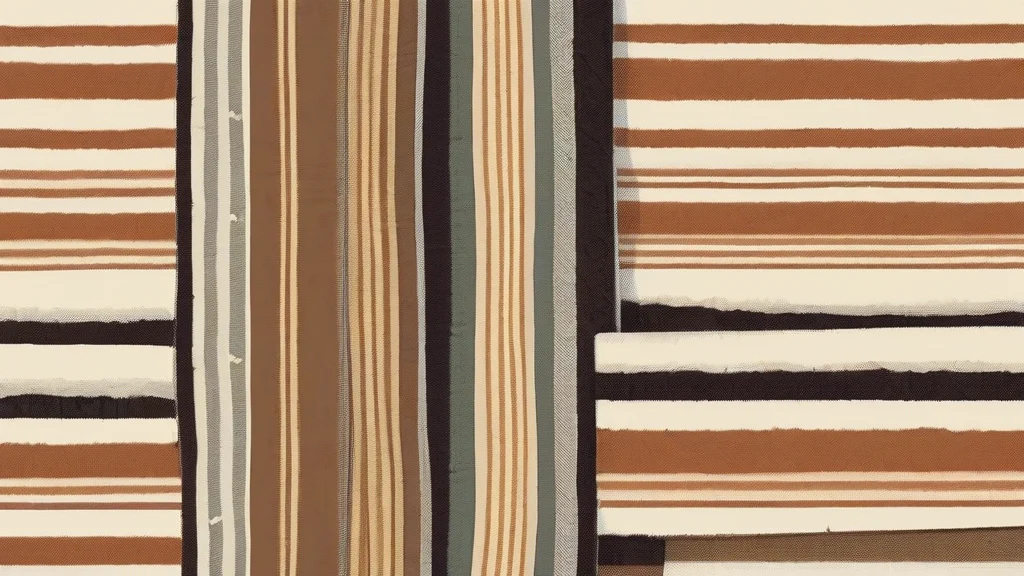
What does seersucker mean?
Seersucker is a lightweight cotton fabric whose woven surface develops alternating smooth and puckered stripes. The puckering gives the material a distinctive, slightly crinkled appearance and makes it especially effective for hot weather, since it is breathable and does not cling tightly to the body. Historically associated with workwear and practical clothing in warm climates, seersucker became especially fashionable in the southern United States, where lightweight suits and jackets made from it were strongly identified with professional and political style. Today the word commonly refers both to the fabric itself and to clothing made from it, particularly shirts, suits, jackets, and dresses. Its appeal lies in a combination of texture, visual movement, and practicality: the stripes are produced within the weave, giving seersucker an appearance that remains distinctive without relying on printed decoration.
nounA lightweight cotton fabric with a distinctive puckered texture and alternating smooth and gathered stripes, traditionally used for shirts, suits, and other warm-weather clothing.
- A lightweight cotton fabric characterized by puckered stripes, used especially for warm-weather clothing.
- Clothing made from this fabric, such as a shirt, jacket, or suit.
"He wore a pale blue seersucker jacket with the sleeves rolled up."
"The traditional seersucker suit is a staple of warm-weather menswear."
"She chose a striped seersucker dress for the summer afternoon."
Usually used in the plural when referring to multiple garments made from the fabric.
"He owns several seersuckers for summer."
Seersucker gets its distinctive puckered stripes from the way the fabric is woven, not from printing or surface treatment.
Reviewed by Deb Chak, Editor. AI-assisted content curated by RJS Tech Solutions LLP.
Where does seersucker come from?
The word entered English in the nineteenth century from the Hindi word चिरका (chhirka), referring to a striped, puckered or crinkled fabric. The Hindi term itself reflects an earlier Persian origin associated with the fabric's rippled appearance. English speakers gradually adapted the form and spelling to seersucker, while the textile became especially popular in the southern United States during the nineteenth century.
How seersucker is actually used
The term is chiefly associated with clothing and textiles. In British usage, it can also refer more broadly to a lightweight, crinkled cotton fabric; the pronunciation differs noticeably between British and American English.
Easily confused with seersucker
Seersucker is lightweight cotton with a puckered, ridged texture, whereas corduroy is typically heavier and has pronounced raised ribs.