
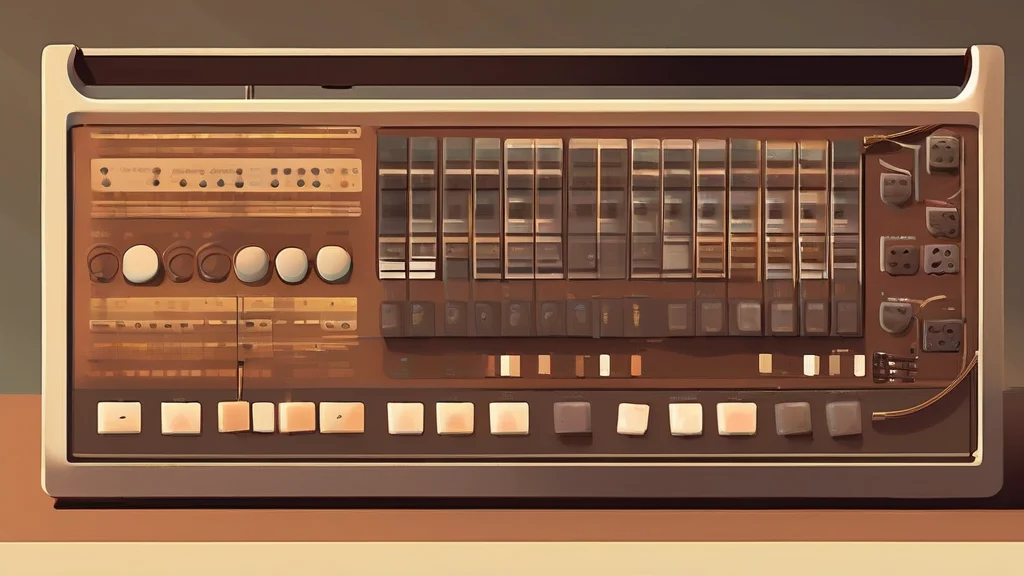
What does sequencer mean?
A sequencer is a device, program, or person that arranges things or events in a particular order. In music technology, a sequencer records and plays back patterns of notes, rhythms, or other sounds, allowing them to be programmed in advance. In video production and related technical contexts, the term can refer to a system that determines the order in which scenes or events are processed. In molecular biology, a sequencer is a specialized instrument that identifies the sequence of bases in DNA or RNA, providing crucial information for genetic analysis and research. The word is more precise than a general term such as “arranger” because it suggests an organized sequence and often an automated or systematic process. It is also appropriate for people who perform sequencing as part of their work, although that usage is less common than the technical device and software senses. Across these contexts, the central idea is controlled order: deciding, recording, or revealing what comes next.
nounA device, software program, or person that arranges or determines the order in which events, items, or operations are processed. In molecular biology, the term specifically refers to an instrument for determining the order of bases in DNA or RNA.
- A device or software program that arranges events or processes them in a specified order.
- An instrument used in molecular biology to determine the order of bases in DNA or RNA.
"The laboratory used a DNA sequencer to determine the order of bases in the sample."
"The editor used a MIDI sequencer to arrange the drum patterns for the track."
"The DNA sequencer produced a readable report of the sample's genetic sequence."
The standard plural is used when referring to multiple sequencing devices, programs, instruments, or people.
"The university purchased several new DNA sequencers for its research laboratory."
A sequencer is essentially a machine for deciding what comes next—and, in the laboratory, its answers can reveal the hidden order of DNA.
Reviewed by Deb Chak, Editor. AI-assisted content curated by RJS Tech Solutions LLP.
Where does sequencer come from?
The word sequencer was formed from sequence plus the agent suffix -er, meaning a person or thing that performs or carries out a function. Sequence comes through Old French from Latinsequentia, a noun derived from sequi, “to follow.” Related English words include sequential, consequent, and consecutive, all reflecting the shared idea of following or proceeding in order.
How sequencer is actually used
The word is primarily technical. It is especially common in computing, music production, molecular biology, and other fields where the order or timing of events is systematically controlled.
Easily confused with sequencer
A sequence is the ordered arrangement of items or events, whereas a sequencer is a device, program, or person that creates or determines that order.