
What does setts mean?
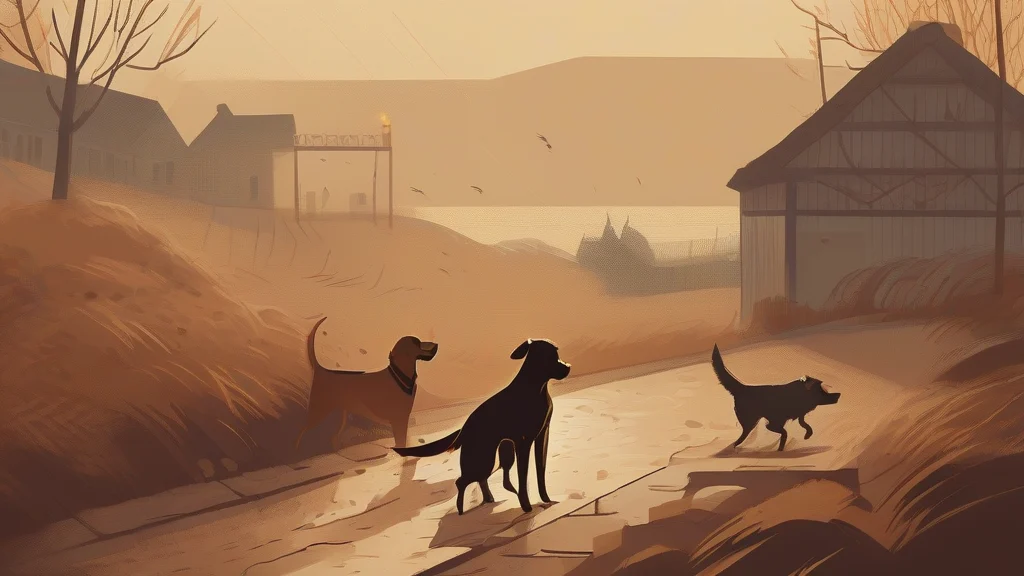
Setts is the plural form of sett, a chiefly British word for a group or fixed number of dogs. Its best-established use is for hunting dogs, especially setters, as in “a fine sett of setters.” The word has an old-fashioned, traditional or sporting character and is encountered in hunting, pedigree-breeding, and literary contexts rather than everyday conversation. Although the broader idea of a group or collection may occasionally be suggested, speakers of modern English usually prefer group, pack, or team when referring to dogs in general. Setts should not be confused with the plural sets, which can refer to collections of objects or to the third-person singular form of the verb set.
nounThe plural form of sett: a group or fixed number of dogs, especially hunting dogs.
- A group or fixed number of dogs, especially hunting dogs.
"The breeder brought a fine sett of setters to the hunt."
"The kennel was known for producing an exceptional sett of working dogs."
"A sett of terriers accompanied the hunters through the heath."
The standard plural of sett, the singular noun meaning a group of dogs.
"The huntsman gathered the setts before dawn."
Setters are named for their characteristic habit of setting or pointing game, and a sett is the hunting group associated with them.
Reviewed by Deb Chak, Editor. AI-assisted content curated by RJS Tech Solutions LLP.
Where does setts come from?
The origin of the noun sett is not entirely clear, and its older sense developed around the idea of a fixed or organized group. It is associated with the English hunting vocabulary that produced words such as setter. The connection with setting game is reflected in the name setter, a breed developed to locate birds and indicate their position to the hunter.
Related word forms
How setts is actually used
The noun is chiefly British and traditional in hunting and dog-breeding contexts. In modern general English, group, pack, or team is usually more natural.
Easily confused with setts
A sett is a group of dogs, whereas sets generally refers to collections of objects or to the third-person singular form of the verb set.