
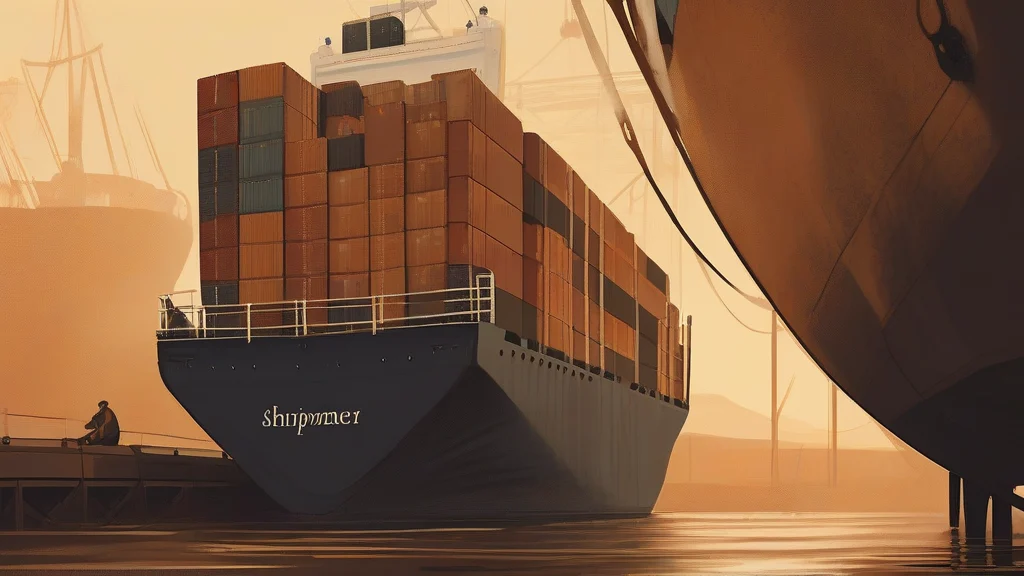
What does shipowner mean?
A shipowner is an individual or business that owns a ship, particularly when the vessel is operated commercially. The term is common in maritime law, insurance, freight, and shipping discussions, where ownership carries financial and legal responsibilities such as maintenance, safety, insurance, and liability. A shipowner need not be the person who physically operates the vessel; ownership and command are distinct roles, although in small commercial operations they may be combined. The word can refer both to the owner of one ship and to a business owning multiple vessels. In everyday discussion, it is more formal than simply saying “owner,” while remaining less specific than terms such as shipmaster or ship captain, which refer to people responsible for navigating or commanding a vessel rather than owning it.
nounA shipowner is a person or company that owns a ship or ships, especially as part of commercial maritime operations.
- A person or company that owns a ship.
- A person or company that owns a fleet of commercial ships or operates ships as a business.
"The shipowner negotiated a new freight agreement with several international carriers."
"The shipowner ordered a safety inspection after the vessel reported an engine malfunction."
"Small shipowners are concerned about the rising cost of insurance and maintenance."
The plural refers to multiple owners or to the owners as a group.
"The shipowners met to discuss insurance rates across their fleets."
A shipowner may never sail the ship, but they bear the risks and rewards of owning it.
Reviewed by Deb Chak, Editor. AI-assisted content curated by RJS Tech Solutions LLP.
Where does shipowner come from?
The word is a compound formed in the 19th century from “ship” and “owner.” “Ship” comes from Old English scip, referring to a vessel, while “owner” is derived from “own” with the suffix “-er,” meaning a person who owns something. The compound entered use in connection with commercial shipping and maritime law.
Related word forms
How shipowner is actually used
The term is most common in commercial, legal, and maritime contexts. It generally emphasizes ownership rather than the day-to-day operation of a vessel, although the two roles may belong to the same person or company.
Easily confused with shipowner
A shipowner owns a vessel, whereas a shipper sends or transports cargo on a vessel.