
What does shirred mean?
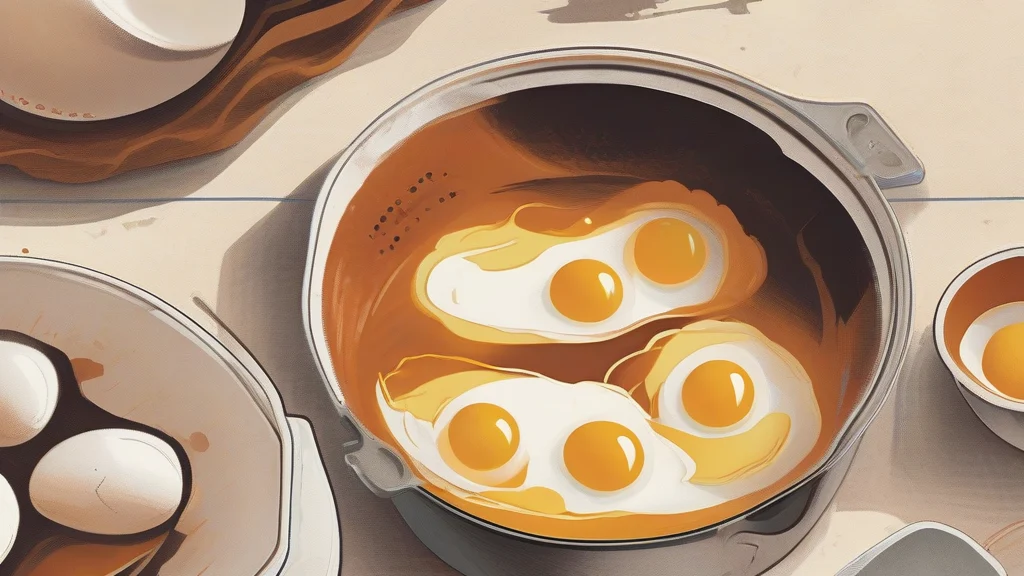
Shirred describes fabric that has been gathered into decorative puckers or folds, a technique especially common in bodices, waistbands, sleeves, and other parts of clothing. The gathered area can be soft and fluid, creating a rippled texture rather than rigid pleats. “Shirred” also has a culinary use: a shirred egg is an egg cooked in butter in a small individual dish, sometimes with cream, until its white is set and its yolk remains soft. As a verb form, “shirred” means that fabric was gathered in this manner. The word is useful because it identifies a specific textile effect and a recognized egg preparation rather than describing any ordinary fold or baked egg. It is most often encountered in descriptions of garments, fabric, and traditional or restaurant menus.
Made from fabric gathered into puckers or folds; of an egg, cooked in butter in an individual dish.
"The gown had a shirred bodice and a softly shirred skirt."
The textile and culinary senses are both established, though the culinary use usually appears in the phrase “shirred egg.”
To gather fabric or other material into puckers or folds.
"The tailor shirred the fabric along the side seam."
“Shirred” is the third-person singular simple present and the simple past of “shirr.”
Shirred turns fabric into a swirl of puckers—and gives a classic baked egg its name.
Reviewed by Deb Chak, Editor. AI-assisted content curated by RJS Tech Solutions LLP.
Where does shirred come from?
The word derives from “shirr,” a verb meaning to gather material into puckers or folds; the precise origin of that verb is uncertain. The culinary sense developed through the established expression “shirred egg,” in which the cooking method resembles fabric gathered into folds around the egg.
Related word forms
How shirred is actually used
The textile sense is especially associated with clothing, while the culinary sense is normally found in the expressions “shirred egg” and “shirred eggs.” As a verb form, “shirred” most often refers to gathering fabric into puckers.