
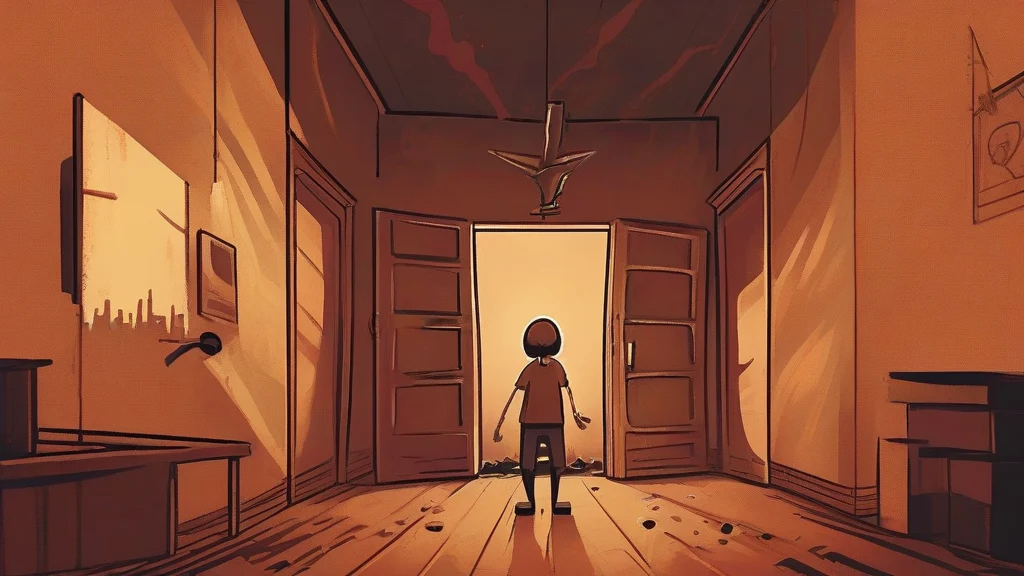
What does shrieking mean?
Shrieking is the act of crying out in a piercing, high-pitched voice, often because of fear, pain, shock, or excitement. As a participle, it can describe the sound itself, as in “a shrieking alarm,” or an action in progress, as in “the child was shrieking in the corner.” It often carries an emotional intensity that distinguishes it from ordinary crying. The word can also be used figuratively for a sound so harsh or abrupt that it resembles a shriek, as in “shrieking brakes.” In everyday use, shrieking is vivid and somewhat dramatic; it may suggest panic, distress, hysteria, anger, or uninhibited enthusiasm. Although dictionaries generally record it as the present participle of shriek rather than an independent lexical item, it is common in both speech and writing. Its sharp sound makes it especially effective in descriptions of alarms, pain, anger, machinery, and excitement. The form also functions attributively, describing a person, object, or sound characterized by such a cry.
To make a very loud, high-pitched cry because of fear, pain, shock, anger, or excitement.
"Witnesses reported hearing passengers shrieking inside the overturned vehicle."
The present participle and gerund form of shriek. The emotional cause is often implied but may vary with context.
Characterized by a piercing cry or a harsh, high-pitched sound.
"The car descended the hill with shrieking brakes."
This is a participial adjective used before a noun; figurative uses commonly describe machinery, alarms, or voices.
From an Old English word for a piercing cry, “shriek” remains one of English’s sharpest sounds.
Reviewed by Deb Chak, Editor. AI-assisted content curated by RJS Tech Solutions LLP.
Where does shrieking come from?
The word comes from the Old English verb scrēcan, meaning “to cry out loudly” or “to shriek.” Its modern form belongs to a Germanic word family that also included Old Norse skrækja and several continental Germanic verbs meaning “to cry out.” In modern English, shriek developed a strong association with a brief, high-pitched, emotionally intense cry.
Related word forms
How shrieking is actually used
Usually vivid and emotionally charged. It may suggest panic, acute distress, hysteria, anger, or uninhibited excitement, and is sometimes used figuratively for an exceptionally harsh sound.
Easily confused with shrieking
A shriek is generally higher and more piercing than a scream, although the two words overlap in meaning.