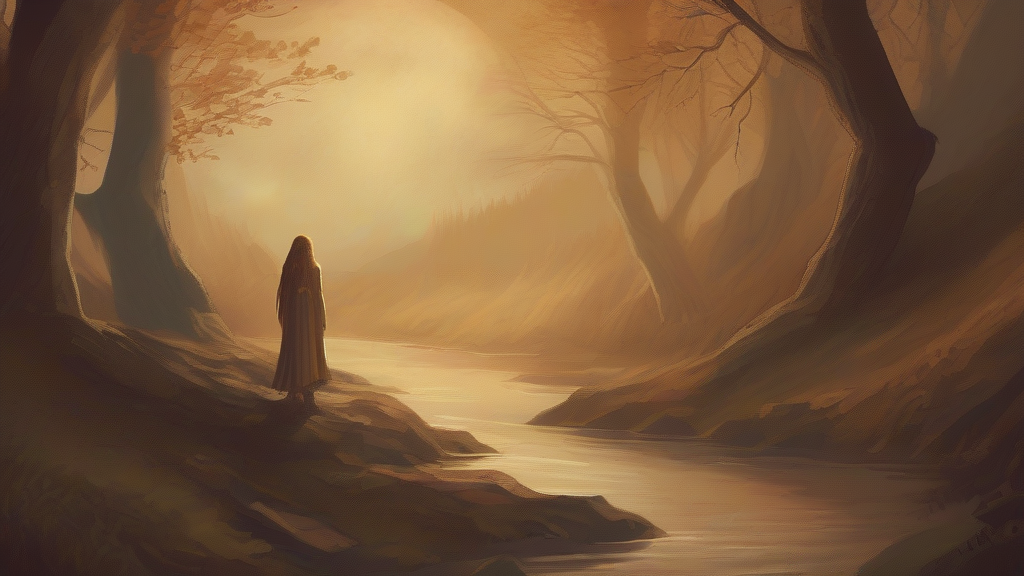
What does sidhe mean?
The term sidhe refers to a type of supernatural being in Irish folklore, often depicted as a fairy or spirit. These creatures are said to inhabit the land or specific areas, and are often associated with natural features such as hills, mountains, and forests. The sidhe are typically depicted as mischievous and quick to play tricks on humans, but can also be benevolent and helpful. The term is deeply rooted in Irish mythology and is still used today to describe these mythical creatures. Understanding the concept of sidhe provides insight into Irish folklore and the country's rich cultural heritage. The sidhe are an integral part of Irish mythology, and their legend has been passed down for generations.
nounIn Irish folklore, a sidhe is a type of supernatural being, often depicted as a fairy or spirit inhabiting the land or a specific area.
- supernatural being in Irish folklore
- fairy-like creature
"The old mansion was said to be haunted by a mischievous sidhe who played tricks on visitors."
"According to legend, the sidhe would dance under the full moon."
"The children claimed to have seen a sidhe hiding behind the trees."
The plural form 'sidhes' is often used in English, while in Irish the plural form 'sí' is used.
"The villagers claimed to have seen many sidhes dancing in the forest."
Reviewed by Deb Chak, Editor. AI-assisted content curated by RJS Tech Solutions LLP.
Etymology of sidhe
The word 'sidhe' originates from the Irish language, where it is spelled 'sidhe' or 'sí'. It is derived from the Old Irish word 'sid', which referred to a fairy or supernatural being. The term has been used in Irish folklore for centuries to describe a range of supernatural creatures, from fairies and spirits to ghosts and demons. The sidhe are often associated with the Tuatha Dé Danann, a group of supernatural beings in Irish mythology.
How sidhe is actually used
The term 'sidhe' is often used in Irish folklore and mythology to refer to supernatural beings. It can be used to describe a range of creatures, from benevolent fairies to malevolent spirits.