
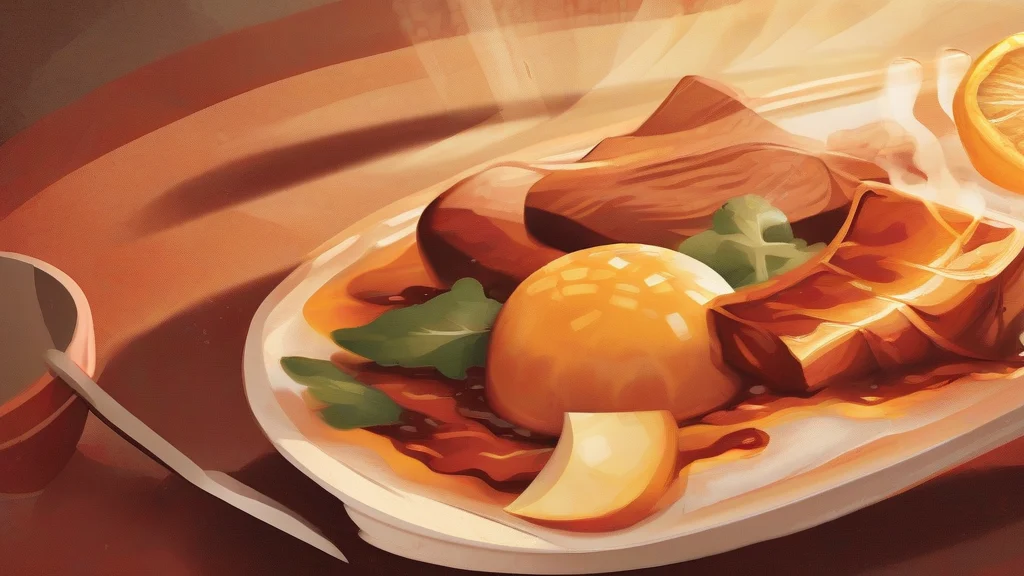
What does sizzled mean?
“Sizzled” is the past tense of “sizzle,” a word associated with a sharp, hissing sound. It most often describes food frying in a hot pan, but it can also describe intense heat or energetic excitement: a crowd may sizzle with anticipation, or a performance may be described as sizzling. The word has a vivid, sensory quality because it evokes the sound and heat of cooking. It is informal and expressive rather than highly formal, but it is widely understood in everyday English. Although it can describe something extremely angry, as in “She sizzled with rage,” that use is less common than the cooking and excitement senses.
To make a sharp, hissing sound, especially when something hot is cooking; to be extremely angry, excited, or energetic.
"The onions sizzled as they hit the hot oil."
The figurative sense is usually used with “with” followed by an emotion or quality: “sizzled with excitement.”
Extremely hot, energetic, exciting, or intense.
"It was a sizzling afternoon in the desert."
This form is especially common in phrases such as “sizzling hot” and “sizzling performance.”
A sizzling day can be scorchingly hot, while a sizzling performance means something is so exciting that it seems to crackle with energy.
Reviewed by Deb Chak, Editor. AI-assisted content curated by RJS Tech Solutions LLP.
Where does sizzled come from?
“Sizzle” is an English word formed in the 19th century, probably through imitative sound symbolism, with the final consonant added in the pattern of other verbs such as “fizzle” and “drizzle.” The precise origin is uncertain, so no stronger etymological claim can be made confidently. The form “sizzled” follows the ordinary English pattern of adding “-ed” to the verb.
Related word forms
How sizzled is actually used
The word is commonly used for the sound of hot fat or food in a pan. In figurative uses, especially with people or performances, it conveys intense heat, energy, or excitement.