
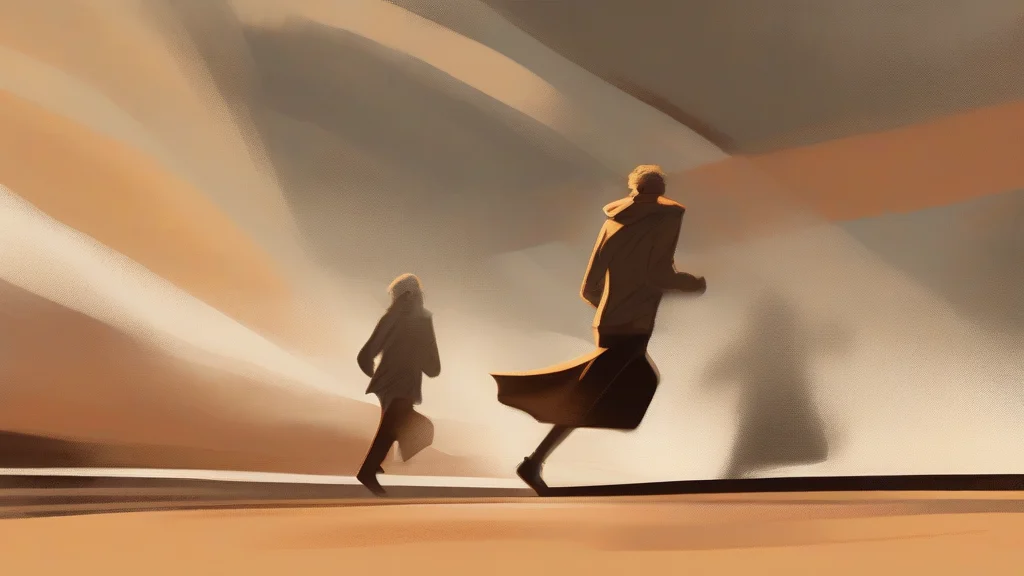
What does skedaddle mean?
Skedaddle means to leave or run away quickly, usually because a situation has become frightening, awkward, or troublesome. Its tone is informal and frequently comic, and it can describe anything from children racing home before a storm to a politician abandoning an interview at the first difficult question. The word often carries a hint of haste or panic, but it may also suggest an amusingly hurried retreat that does not involve genuine danger. As a noun, a skedaddle is a quick departure itself. Although now common in both British and North American English, it has an old-fashioned, storybook quality that makes it especially effective in conversational and narrative writing. The verb is usually used intransitively, as in “They skedaddled before the storm arrived,” while “skedaddle away” and “skedaddle off” are established phrasal forms. Unlike more neutral words such as leave or depart, skedaddle implies speed and usually some comic or undesirable circumstance prompting the departure.
To run away or leave quickly, especially in response to fear, danger, or an unpleasant situation.
"They skedaddled through the gate when the dog began barking."
Informal and often humorous; it may imply panic, comic haste, or a desire to avoid an awkward situation.
A hurried or hasty departure, especially one made to escape danger, trouble, or difficulty.
"The sudden skedaddle ended the meeting before anyone could object."
Less common than the verb and chiefly informal.
Plural forms are rare in modern usage; the singular noun is normally used in the plural sense when necessary.
"The unexplained skedaddles of the guests prompted several awkward questions."
Skedaddle captures the very particular hurry of leaving the moment something seems alarming, troublesome, or altogether too awkward.
Reviewed by Deb Chak, Editor. AI-assisted content curated by RJS Tech Solutions LLP.
Where does skedaddle come from?
The word appeared in British English in the late eighteenth century. Its precise origin is uncertain, although it has often been associated with scatter and may reflect an alteration or playful development of that verb.
Related word forms
How skedaddle is actually used
The word is informal and often humorous or mildly disparaging. It is especially common in British and North American speech and is sometimes used to suggest a retreat that seems premature, furtive, or undignified.
Easily confused with skedaddle
Both describe moving away quickly, but scamper often suggests playful or excited movement, whereas skedaddle usually implies haste caused by fear or an desire to avoid trouble.