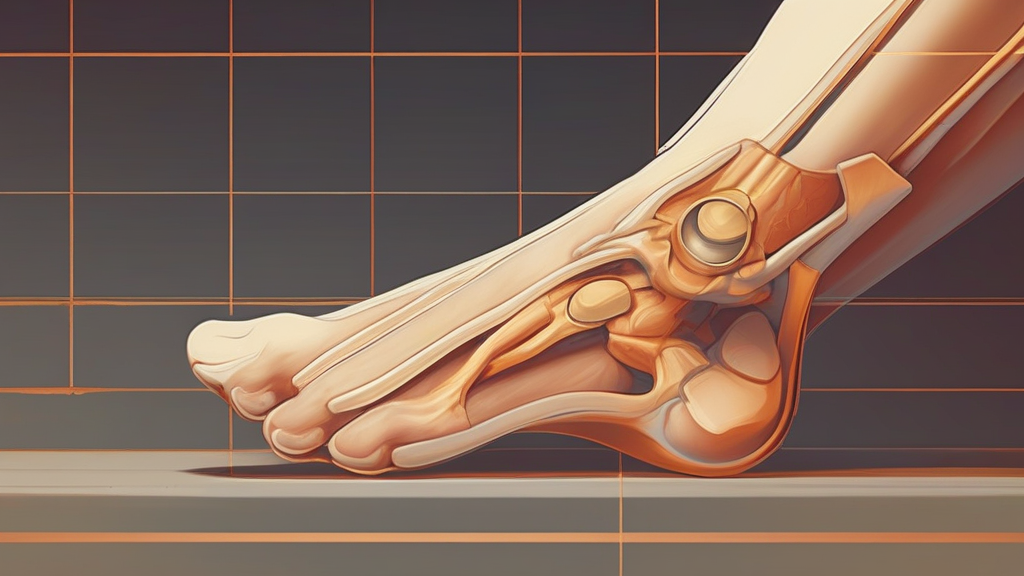
What does skiagram mean?
A skiagram is a radiograph of the knee joint, typically taken in a ski injury to assess the extent of damage to the ligaments and surrounding tissues. The term is used in medical imaging, particularly in sports medicine, to describe a specific type of X-ray. Skiagram is often used interchangeably with radiograph or X-ray, but may be preferred in certain medical or technical contexts. The use of skiagram is limited to the medical field and is not commonly used in everyday language. However, it is an important term for medical professionals and athletes who require accurate diagnoses and treatment plans. The skiagram is a valuable tool in assessing and treating knee injuries, and its use continues to evolve with advances in medical technology.
nounA skiagram is a radiograph of the knee joint, typically taken in a ski injury to assess the extent of damage to the ligaments and surrounding tissues.
- A skiagram is a radiograph of the knee joint.
"The doctor ordered a skiagram to determine the severity of the skier's knee injury."
"The doctor ordered a skiagram to determine the severity of the skier's knee injury."
"The athlete's skiagram revealed a torn ligament."
The plural form skiagrams is used to describe multiple radiographs of the knee joint.
"The doctor ordered multiple skiagrams to assess the extent of the athlete's knee injury."
Reviewed by Deb Chak, Editor. AI-assisted content curated by RJS Tech Solutions LLP.
Etymology of skiagram
The term skiagram is derived from the Greek words 'skia' meaning shadow and 'gramma' meaning writing. It refers to the radiographic image of the knee joint, which is a shadowy representation of the underlying tissues. The term has been in use since the early 20th century, when X-ray technology became more widespread.
How skiagram is actually used
Skiagram is a technical term used in medical imaging, particularly in the context of sports medicine. It is often used interchangeably with radiograph or X-ray, but may be preferred in certain medical or technical contexts.