
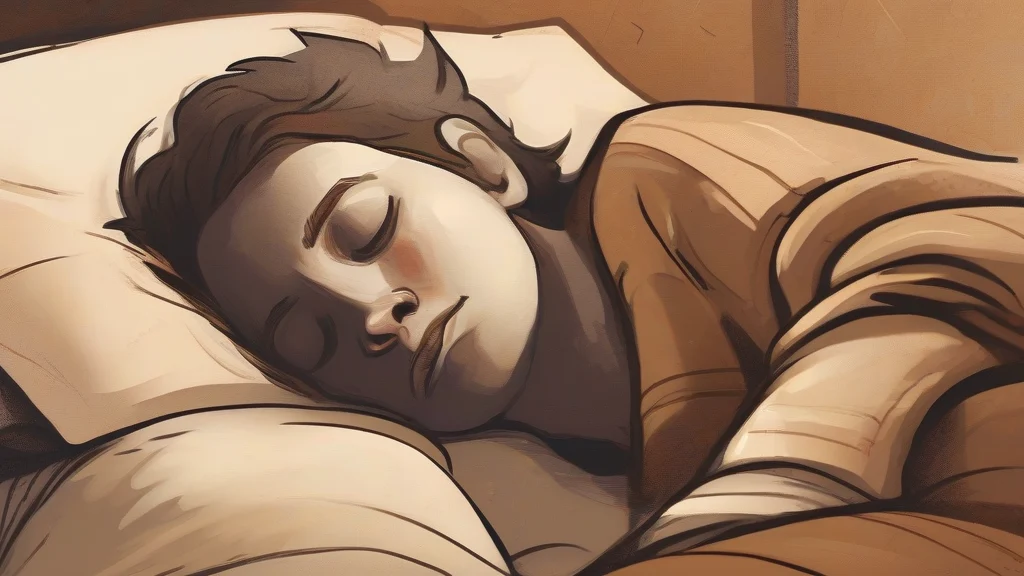
What does sleepy mean?
“Sleepy” is an adjective describing a person who is drowsy, tired, or close to falling asleep. It can also characterize a place, period, or experience as quiet, restful, and conducive to sleep. The phrase “feel sleepy” is a common way to describe the physical sensation of becoming drowsy, while “a sleepy town” suggests a peaceful, slow-paced settlement. “Sleepy” is warmer and less technical than “somnolent,” which may be used in medical or formal descriptions of unusual drowsiness. It differs from “tired” because it focuses more specifically on the urge to sleep rather than general fatigue. Related forms include the noun “sleepiness” and the adverb “sleepily.” Although it is easy to confuse with “sly,” “sleepy” belongs to the vocabulary of rest and drowsiness, while “sly” suggests secrecy or cunning.
Needing or likely to fall asleep; drowsy.
"The children became sleepy during the long journey."
This is the most common contemporary sense.
Quiet, peaceful, or conducive to sleep.
"They arrived at a sleepy harbor before sunrise."
Common in descriptive writing, especially for places and periods of day.
“Sleepy” can describe both a person who can barely keep their eyes open and a place so peaceful that it seems to invite slumber.
Reviewed by Deb Chak, Editor. AI-assisted content curated by RJS Tech Solutions LLP.
Where does sleepy come from?
“Sleepy” is an English adjective formed from “sleep” with the suffix “-y,” a pattern that creates descriptive words such as “rainy” and “cloudy.” “Sleep” ultimately derives from a Germanic root associated with rest or sleep, and related forms such as “sleepless” and “sleepwalker” preserve the same semantic field. The adjective has long been used both for people who feel drowsy and for places or periods that encourage sleep.
Related word forms
How sleepy is actually used
Common in everyday English. It is generally gentle and informal, although it is suitable for narrative, descriptive, and journalistic contexts as well.
Easily confused with sleepy
“Sleepy” means drowsy or inclined to sleep, whereas “sly” means cunning or crafty.