
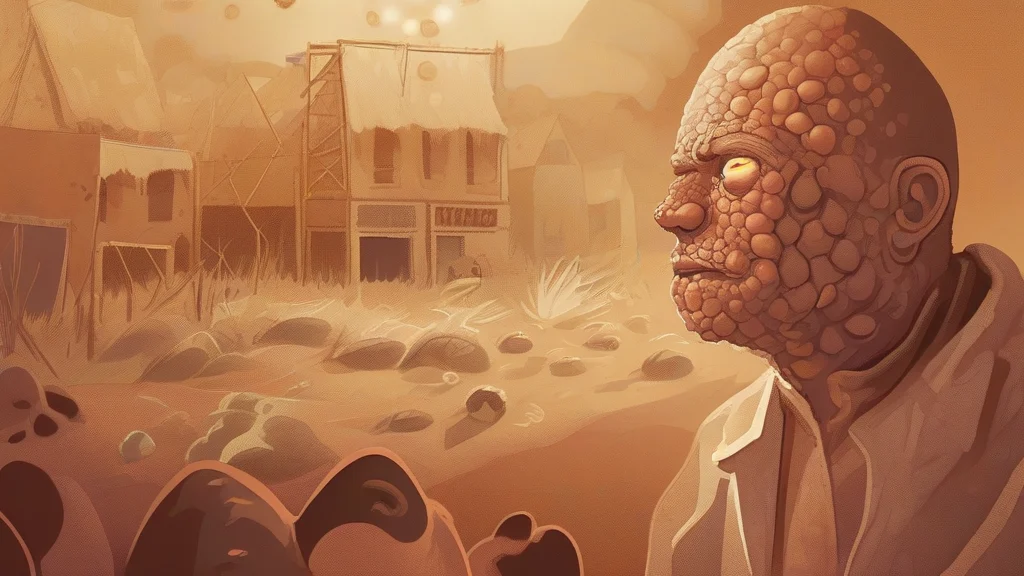
What does smallpox mean?
Smallpox is a highly contagious viral disease caused by variola virus. It produces fever and a characteristic progression of skin lesions, which can leave lasting scars and, in severe cases, cause death. The disease had a major effect on human history for centuries, contributing to high mortality, disability, and social disruption. Edward Jenner's development of vaccination in the late eighteenth century provided an effective means of protection, and international vaccination and disease-control campaigns ultimately led to its eradication. The World Health Organization certified in 1980 that smallpox had been eradicated from the world, making it the first human disease to be eliminated globally. The word therefore now appears most often in historical, medical, and public-health contexts, including discussions of vaccines, viruses, and global disease eradication.
nounAn acute infectious disease caused by the variola virus, characterized by fever and successive stages of skin eruption. Smallpox was eradicated worldwide in 1980.
- The contagious viral disease caused by variola virus.
- A historically severe form of smallpox characterized by extensive scarring and high mortality.
"The introduction of vaccination led to the eventual eradication of smallpox."
"The doctor diagnosed the patient with smallpox and notified the public health authorities."
"Historical accounts describe smallpox as one of the most devastating diseases of the early modern world."
Usually treated as a mass noun; plural forms such as smallpoxes are uncommon.
"The disease was responsible for countless smallpox deaths before eradication."
Smallpox became the first human disease to be eradicated worldwide, a achievement made possible by vaccination and worldwide surveillance.
Reviewed by Deb Chak, Editor. AI-assisted content curated by RJS Tech Solutions LLP.
Where does smallpox come from?
The word is formed in English from small and pox. Pox is an old word for an eruptive disease, especially one marked by pustules, and relates to the Germanic root underlying pock. The compound small-pox distinguished the disease from other poxes, especially chickenpox, and the modern spelling reflects the later regularization of compound spelling.
How smallpox is actually used
The term is now mainly historical, since the disease has been eradicated. It remains important in medicine, epidemiology, and discussions of vaccination and public health.