
What does snakier mean?
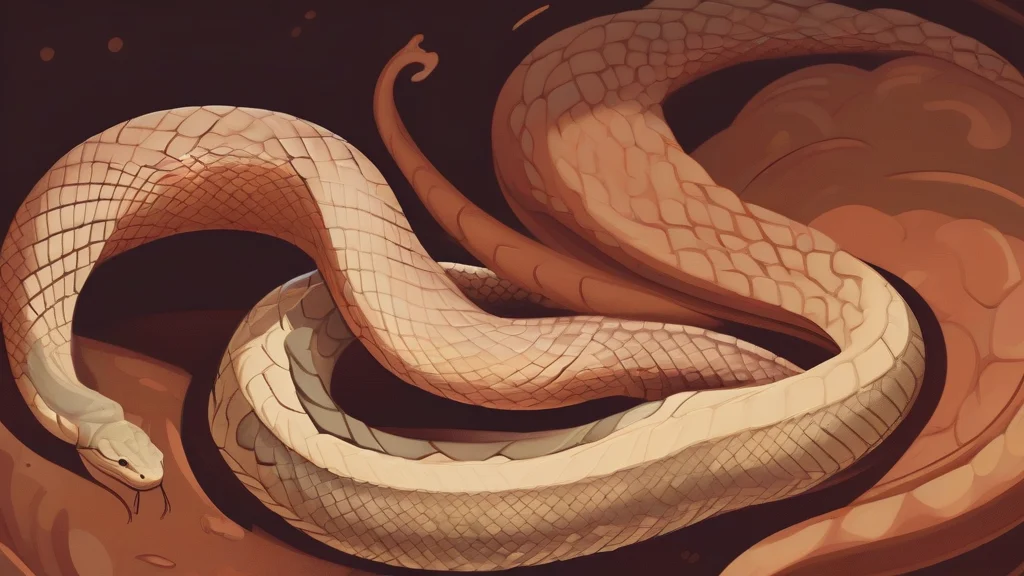
Snakier is the comparative form of the adjective snaky. It describes something more like a snake in appearance or movement, especially because it twists, winds, or follows an irregular course. A path may be called snakier than another path, while a river can have a snakier route through a landscape. The expression can also describe a person's movement or manner: “snakier” may suggest someone who slips around obstacles or handles a situation with greater twisting complexity. Figurative uses often carry a mildly critical tone, implying that the indirectness or evasiveness is excessive. Because snakier is a comparative adjective, it normally appears with “than,” as in “This route is snakier than the main road.” In formal or technical writing, “more winding” or “more serpentine” will often be clearer and less figurative.
adjectiveComparative of snaky: having more of the twisting, winding character associated with a snake.
- More snaky; having a more winding, twisting, or serpentine form.
"The river follows a snakier course through the valley than the railway does."
"We followed the snakier trail through the pine forest."
"The speaker adopted a snakier tone when challenging the government."
Snakier captures the wonderfully crowded feeling of a path that twists and turns like a snake.
Reviewed by Deb Chak, Editor. AI-assisted content curated by RJS Tech Solutions LLP.
Where does snakier come from?
Snakier derives from snaky, which in turn comes from the noun snake. The suffix -y forms the adjective and gives it the sense “resembling or having the characteristic nature of a snake.” English has long used snake and snake-like formations figuratively for winding movement, so the modern adjective continues both a literal and an established figurative tradition.
Related word forms
How snakier is actually used
The word is chiefly literary and descriptive. In figurative use, it suggests a movement, course, or argument that is more indirect, complicated, or difficult to follow.