
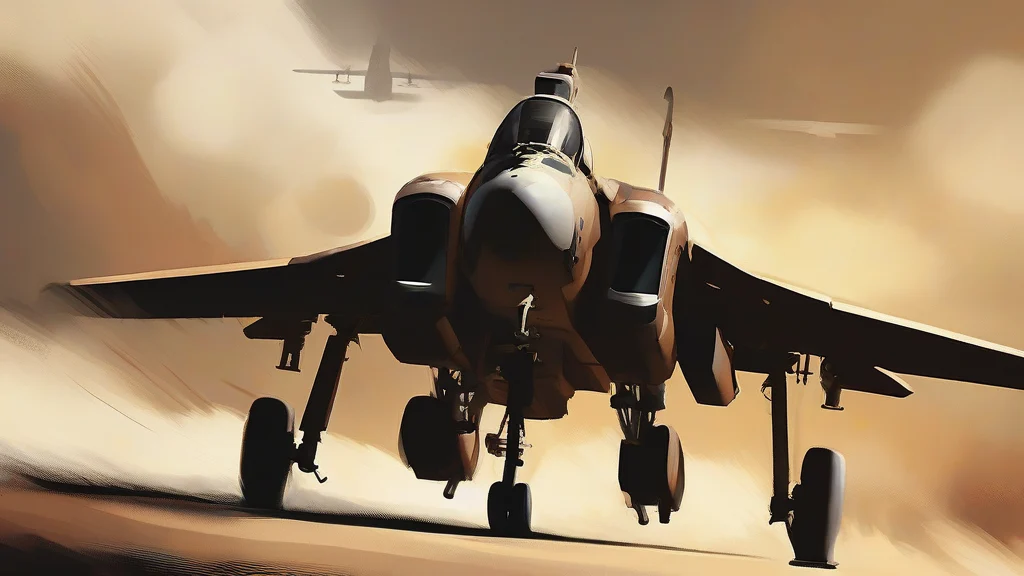
What does sortie mean?
A sortie is an attack or mission undertaken by people leaving a secure or defensive position, most commonly by troops emerging from a fortress, camp, or besieged city. The word carries a strong military association and conveys suddenness, danger, and temporary exposure: the participants return after the operation rather than establish themselves outside. By extension, sortie can describe a bold expedition into difficult or unfamiliar surroundings, as in a literary account of a hazardous journey. This broader sense emphasizes the venture's adventurous but risky character rather than military activity itself. In formal writing, the word is especially effective for an action that is brief, consequential, and undertaken from relative safety. It is less appropriate for ordinary errands or routine departures, and its figurative use can sound distinctly literary.
An attack or military mission launched from a defensive position, usually with the intention of returning after the operation.
"The defenders launched a night sortie and returned with much-needed supplies."
The principal sense is military and formal. It usually implies a sudden, limited operation rather than a sustained advance.
A brief and risky venture into difficult or unfamiliar surroundings.
"The novel recounts a solitary sortie into the frozen north."
This figurative sense is chiefly literary and emphasizes danger, adventure, or personal challenge.
The plural is sorties, with the final “-ies” pronounced /iz/.
"The commanding officer authorized several sorties during the night."
A sortie is literally an expedition outward: the word comes through French from sortir, “to go out.”
Reviewed by Deb Chak, Editor. AI-assisted content curated by RJS Tech Solutions LLP.
Where does sortie come from?
Sortie entered English from French, where sortie developed from sortir, “to go out,” and originally referred to a body of troops sent out from a defensive position. The modern military sense reflects that history: a sortie is an outward movement followed, usually, by a return. The word was also adopted in the broader figurative sense of an expedition or venture.
How sortie is actually used
In its principal military sense, sortie is formal and relatively uncommon in everyday speech. The figurative use is literary and suggests a bold venture that is risky or demanding; it is not normally used for routine activities.
Easily confused with sortie
Sortee is a variant spelling of sortie, whereas sortie is the standard modern spelling.
A sort is a kind or class of thing, while a sortie is an attack or venture carried out from a defensive position.