
What does sourdough mean?
Sourdough is bread made with a starter, a culture of wild yeasts and lactic-acid bacteria that leavens dough through fermentation. Unlike bread leavened mainly with commercial yeast, sourdough develops a characteristic tangy flavor, a more irregular and open crumb, and often a crisp, browned crust. The starter is a mixture of flour and water that is regularly fed and can be maintained over many months or years. The term is also used informally for the starter itself, particularly in American English. Sourdough became associated with artisanal baking and regional traditions, but it is made by bakers and home cooks worldwide. In ordinary use, the word usually means the finished loaf, while sourdough starter identifies the living mixture used to make it.
A bread made by fermenting dough with a starter containing lactic acid and wild yeast.
"We enjoyed the sourdough with soup and cheese."
In American English, sourdough can also mean the starter used to leaven the dough.
Made with sourdough or belonging to the sourdough bread-making tradition.
"The café offers sourdough toast with fresh butter."
Usually plural when referring to multiple sourdough loaves; when referring to the starter, sourdough can be used as an uncountable noun.
"The bakery produces several sourdoughs each morning."
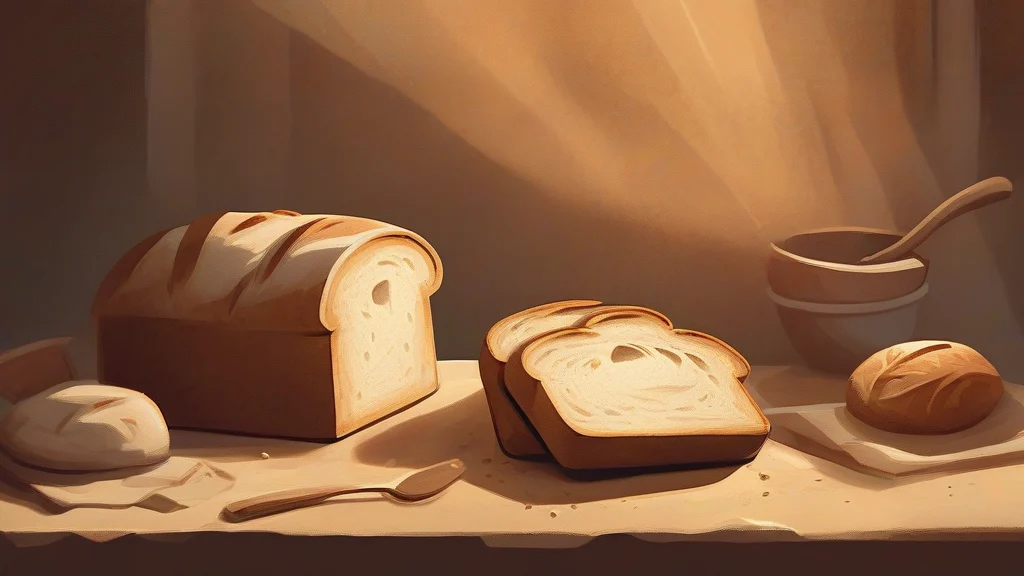
Sourdough turns time and microbes into a tangy, resilient loaf: its starter can be kept alive for years and used to raise each new batch of dough.
Reviewed by Deb Chak, Editor. AI-assisted content curated by RJS Tech Solutions LLP.
Where does sourdough come from?
The word is an English compound of sour and dough, describing bread whose fermentation gives it a sour taste. The concept is closely associated with French terms such as pain levain, literally leavened bread, and levain, a sourdough starter or the process of leavening. English sourdough developed in the context of American and European bread-making traditions and became especially prominent in nineteenth-century and later artisanal baking.
Related word forms
How sourdough is actually used
In British English, sourdough primarily denotes the bread. In American English, the word can also refer to the starter itself, especially in informal and baking contexts. The word describes a bread and the fermentation method associated with it rather than merely a sour taste.
Easily confused with sourdough
Sourdough usually refers to the bread, while a starter refers to the fermented mixture of flour and water used to leaven it.
Levain can refer to a sourdough starter and, in some usage, to bread made with it, whereas sourdough most commonly means the finished bread.