
What does spawning mean?
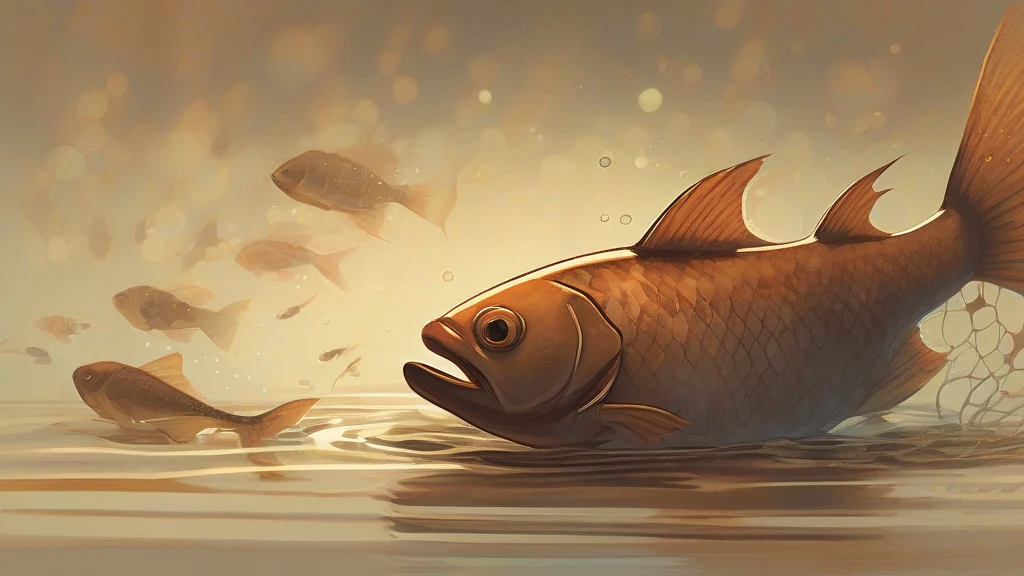
Spawning means producing offspring or young, most often in reference to the reproductive process of fish, frogs, insects, and other animals. Fish may migrate over considerable distances to reach their spawning grounds, where eggs are laid and fertilized. In figurative use, spawning can mean creating or generating something in large numbers, often with the implication that the results are excessive, disposable, or poorly controlled: a website may spawn countless pages, or a document may spawn additional tasks and responsibilities. The word is therefore both a precise biological term and a useful metaphor for multiplication. Its present-participle form is especially common in compounds such as spawning season and spawning grounds. Although “spawn” is also used in computing and games to describe creating new entities, “spawning” is most characteristic in descriptions of animal reproduction and its recurring seasonal patterns.
To produce offspring or young, especially as part of a biological reproductive process.
"The bass spawn in shallow water during the warmer months."
Common in biological contexts, particularly for fish and aquatic invertebrates.
To create or generate multiple new things, often in a rapid or uncontrolled way.
"The application spawned several background processes without notifying the user."
This figurative use is especially common in technical, journalistic, and mildly critical contexts.
The act or process of producing offspring or generating new entities.
"The spawning of the salmon was delayed by unusually high water temperatures."
Usually used as a mass noun, especially in biological and technical contexts.
The plural is uncommon; the word is normally used as a mass noun or as an attributive modifier.
"The report documented separate spawnings by several species during the same week."
Some fish make epic journeys across oceans, but their spawning can still depend on returning to the precise waters where they were born.
Reviewed by Deb Chak, Editor. AI-assisted content curated by RJS Tech Solutions LLP.
Where does spawning come from?
The underlying English verb comes from an Old English word associated with producing or bringing forth young. Its modern sense has continued to refer chiefly to animal reproduction, while figurative meanings developed later. The word is especially prominent in English-language descriptions of fish reproduction and is also used more broadly for processes that generate numerous new entities.
How spawning is actually used
In biological contexts, spawning usually refers to reproductive activity, particularly in fish, invertebrates, and some animals. The figurative sense is usually informal or mildly critical, suggesting uncontrolled or excessive creation.
Easily confused with spawning
Spawning means producing offspring or new items, whereas spanning means extending across or covering a period of time or area.