
What does stagehand mean?
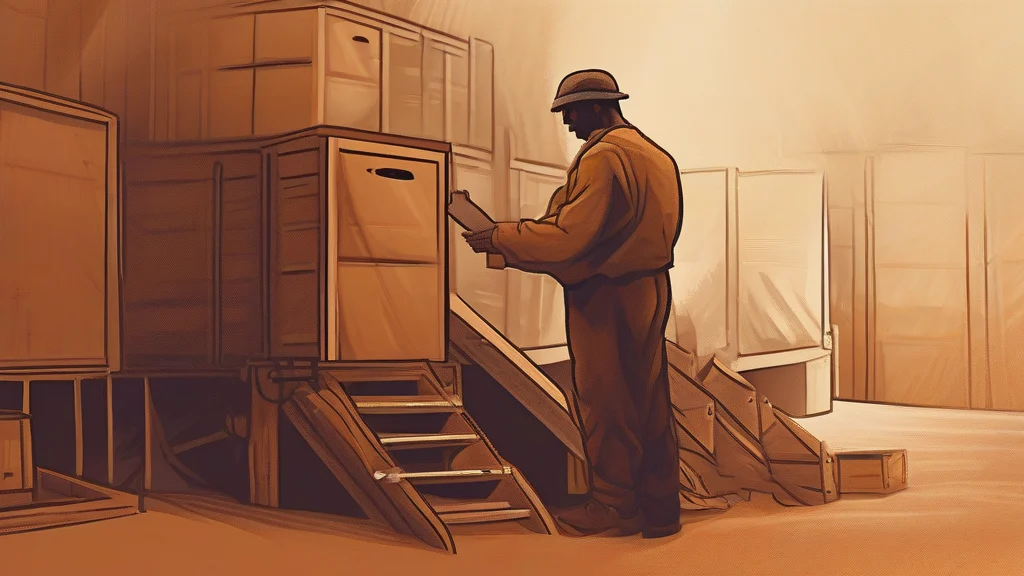
A stagehand is a backstage worker in theater, opera, dance, concerts, and other live productions. Their duties can include moving scenery, setting props, operating equipment, preparing entrances, and handling objects that appear during a performance. The role is practical and collaborative: stagehands work closely with actors, directors, stage managers, lighting and sound crews, and other technicians, often carrying out changes precisely while the audience cannot see them. “Stagehand” is used in both British and American English, though the two-word form “stage hand” is also encountered in British usage. The word is distinct from “stage manager,” who organizes cues and coordinates the stage, and from an “usher,” whose work is primarily with audience members. Stagehands are essential members of a production team, even though their names rarely appear in publicity or credits.
nounA stagehand is a person who works behind the scenes of a theater, concert, or other live production, preparing equipment, changing scenery, and assisting performers and crew during performances.
- A person employed in theater or live production to prepare and manage the physical stage, scenery, props, and other technical equipment.
"The stagehands quickly moved the set pieces while the actors waited in the wings."
"A stagehand checked the microphones before the curtain rose."
"The production required several stagehands to operate the moving scenery."
The usual plural form is “stagehands”; “stage hands” is also used in British English.
"The stagehands waited for the director’s cue."
Without stagehands, the scenery would not change on cue and the performers would have nothing to work with.
Reviewed by Deb Chak, Editor. AI-assisted content curated by RJS Tech Solutions LLP.
Where does stagehand come from?
The word is a compound of “stage” and “hand.” “Stage” comes through Old French from a word meaning a position or standing place, while “hand” is inherited from Old English and originally referred to a worker or person employed in a particular activity. The compound developed in the context of theater and live performance, where a stage hand was someone who handled the practical work of the stage.
Related word forms
How stagehand is actually used
The term is commonly used in British and American English. In British usage, “stage hand” may also appear as two words, although “stagehand” is increasingly standard.
Easily confused with stagehand
A stagehand performs practical backstage work such as setting scenery and handling equipment, while a stage manager coordinates the stage and production cues.
An usher guides and assists audience members, whereas a stagehand works behind the scenes with performers, equipment, and scenery.