
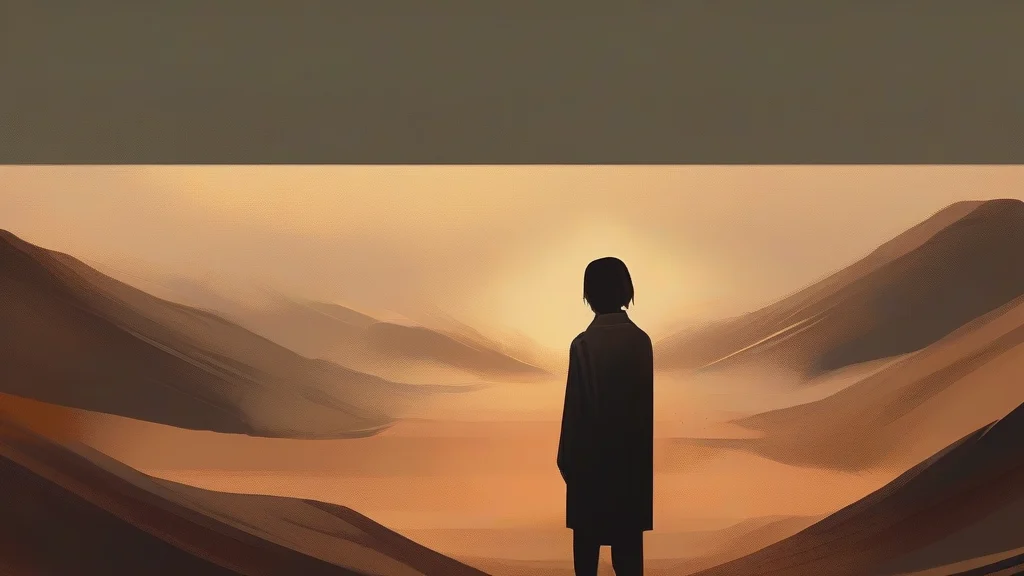
What does stare mean?
To stare is to look at someone or something with a fixed, sustained gaze rather than merely glancing or looking briefly. The verb can describe neutral attention, such as staring at a map to understand it, but it often carries an implication of surprise, suspicion, disbelief, or rudeness. People may stare because they are fascinated, confused, alarmed, or hostile, and a prolonged stare can make the observer or the person observed feel awkward. Common expressions include 'stare at,' 'stare into space,' and 'stare someone down.' The related noun 'stare' names the fixed look itself and appears in phrases such as 'a blank stare' and 'an intense stare.' Stare is distinct from glare, which usually conveys anger, and from peer, which emphasizes difficulty or close inspection.
To look fixedly or directly at someone or something.
"He stared at the photograph, trying to recognize the unfamiliar face."
Usually takes 'at' when the person or thing being viewed is named.
To look with an intense expression of surprise, fear, disbelief, or hostility.
"She stared at him in disbelief as he repeated the accusation."
This use often implies that the look is conspicuous or uncomfortable.
To stare is to let curiosity—or suspicion—hold your gaze long enough for the moment to become conspicuous.
Reviewed by Deb Chak, Editor. AI-assisted content curated by RJS Tech Solutions LLP.
Where does stare come from?
The verb comes from Old English starian, meaning to look or stare, and ultimately from a Germanic root associated with looking fixedly. Related forms appear in other Germanic languages, including Dutch staren, German starren, and Swedish stirra. The modern sense developed through Middle English, where stare was used for a steady or intense look.
Related word forms
How stare is actually used
The phrase 'stare at' is the normal construction. A stare can be neutral and inquisitive, but it often implies an intensity that makes the person being watched uncomfortable.
Easily confused with stare
A stare is simply a fixed or prolonged look, whereas a glare specifically expresses anger, hostility, or an intense threatening look.
A stare remains fixed and sustained, while to peer means to look with difficulty or close attention, often because something is difficult to see.