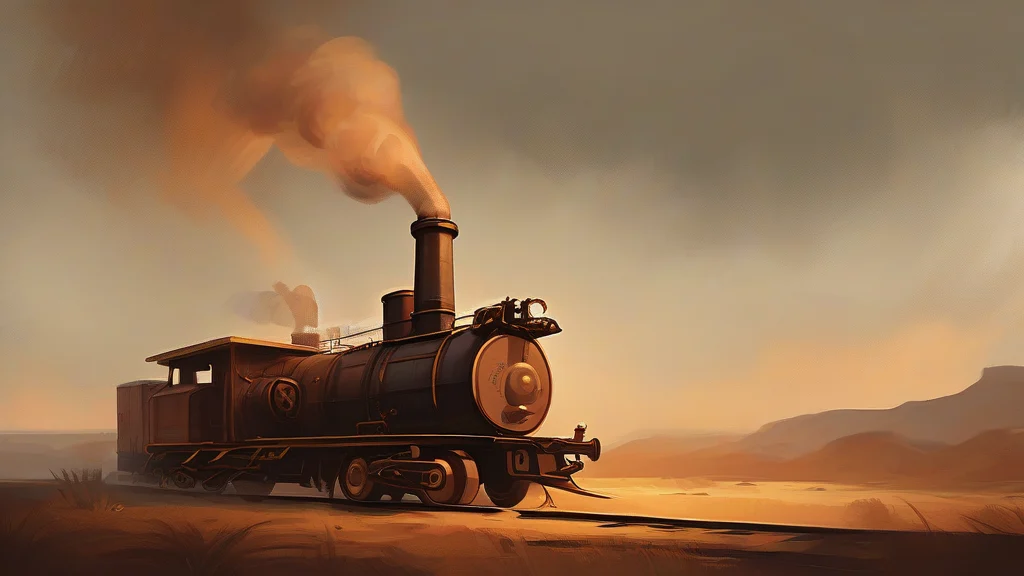
What does steem mean?
A steem is a type of steam engine that was used in the 19th century to power machinery. It is characterized by its use of steam to drive mechanical processes. The term 'steem' is primarily used in historical or technical contexts to refer to this specific type of steam engine. In modern times, the term is largely obsolete, having been replaced by more general terms such as 'steam engine' or 'power engine'. However, it remains an important part of the history of industrial technology and continues to be studied by historians and engineers. The use of steems played a significant role in the development of modern industry, enabling the widespread use of machinery and contributing to the growth of urban centers. Today, steems are largely of interest to historians and enthusiasts of industrial technology, but they remain an important part of our understanding of the past.
nounA steem is a type of steam engine used in the 19th century for powering machinery.
- A type of steam engine used in the 19th century for powering machinery.
"The factory relied on a series of steems to drive its textile looms."
"The factory relied on a series of steems to drive its textile looms."
"The museum exhibit featured a restored 19th-century steem engine."
The plural form 'steems' is used to refer to multiple steam engines.
"The factory relied on a series of steems to drive its textile looms."
Reviewed by Deb Chak, Editor. AI-assisted content curated by RJS Tech Solutions LLP.
Etymology of steem
The term 'steem' is derived from the word 'steam', which refers to the hot vapor produced by the heating of water. The addition of the suffix '-engine' indicates that the term refers to a machine or device that uses steam to produce mechanical power. The use of the term 'steem' dates back to the 19th century, when steam engines were first developed and used to power machinery.
How steem is actually used
The term 'steem' is primarily used in historical or technical contexts to refer to a specific type of steam engine.