
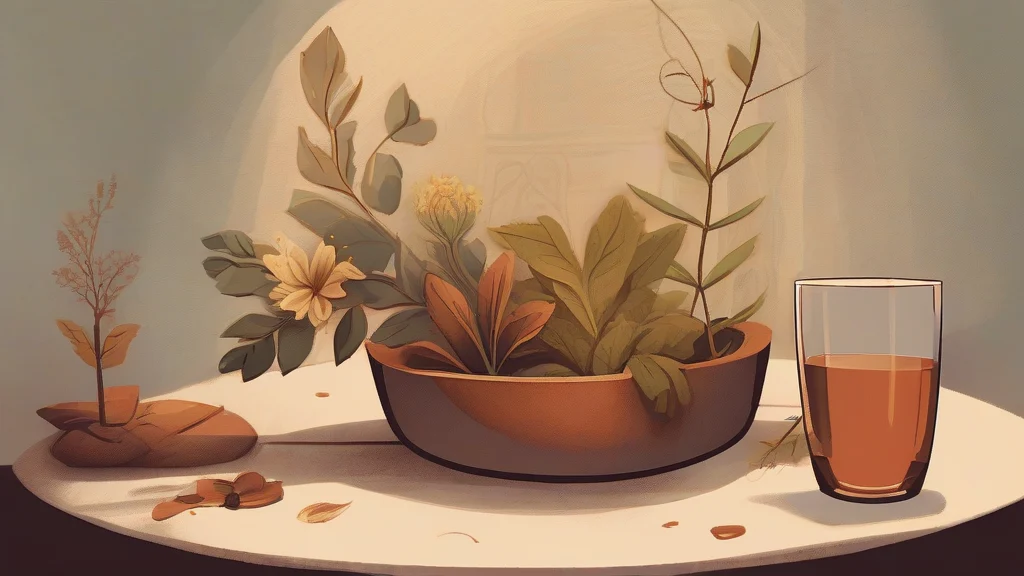
What does stemless mean?
Stemless means without a stem, with the word used most often for plants that have leaves or flowers arising directly from the base rather than from an upright stalk. Such plants are also called acaulescent, a technical botanical term, and the contrast is especially noticeable in rosette-forming succulents and alpine species. The word can also describe wine glasses or other vessels that lack the usual stem, in which case it suggests a simple, bowl-shaped design. Stemless is formed from the ordinary noun “stem” and the suffix “-less,” meaning “without.” Although the word may sound unusual, it is useful when precision matters: it identifies a structural absence that distinguishes one plant or object from another without requiring a more specialized description.
adjectiveHaving no stem. In botany, the term describes a plant whose leaves or flowers arise directly from the base; it can also describe glassware without a stem.
- Having no stem or stalk, especially in botany.
- Having no supporting stem, especially when describing glassware.
"The botanist studied a delicate stemless plant growing among the rocks."
"The garden contains several stemless varieties of succulent."
"She poured the wine into a broad, stemless glass."
Some plants dispense with stems altogether, sending leaves and flowers straight up from the ground—a survival strategy that makes stemlessness a striking botanical feature.
Reviewed by Deb Chak, Editor. AI-assisted content curated by RJS Tech Solutions LLP.
Where does stemless come from?
The word is formed in English from “stem,” a noun meaning a plant's main stalk or the supporting part of an object, together with the suffix “-less,” which means “without.” The noun “stem” itself is an old English word with Germanic origins and has long referred both to plant stalks and to the shafts of vessels. The compound “stemless” follows the ordinary English pattern of forming an adjective by adding “-less” to a noun.
Related word forms
How stemless is actually used
The word is most common in botanical descriptions and in descriptions of glassware. In botany, it is often used for plants whose leaves and flowers grow from a basal rosette or directly from the ground.