
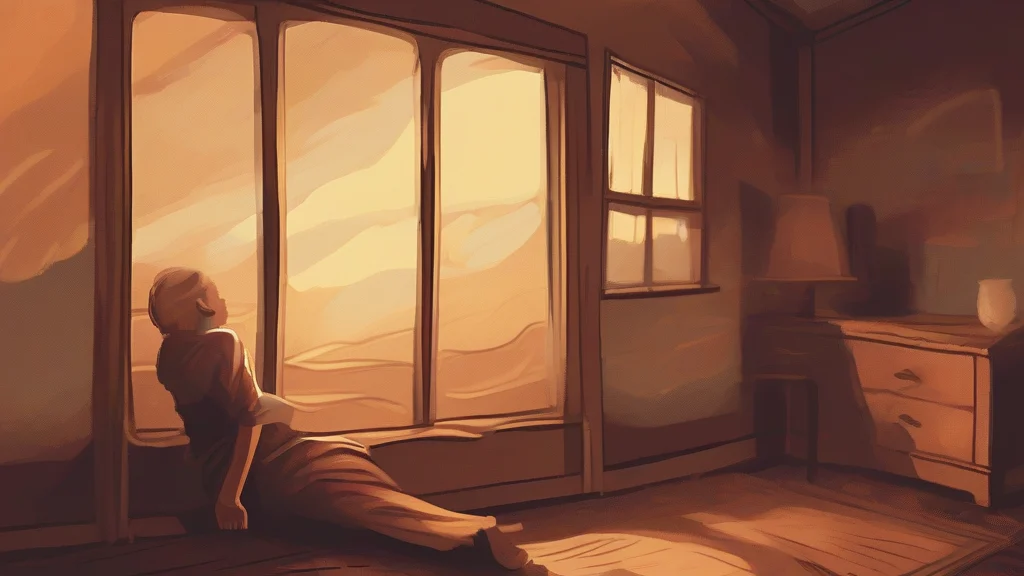
What does stifling mean?
Stifling is an adjective for conditions that make the air feel hot, close, and difficult to breathe, especially in crowded or poorly ventilated spaces. It also describes situations that feel oppressive in a broader sense, such as a tense meeting, an uncomfortable silence, or a long and dull afternoon. The word carries a strong sense of pressure and confinement: the literal image is of being deprived of fresh air, while figurative uses suggest that people are prevented from speaking, thinking, or acting freely. It is common in expressions such as “stifling heat” and “a stifling atmosphere.” Although “suffocating” can be more specifically physical, “stifling” applies comfortably to both bodily discomfort and emotional or social restriction, making it useful when describing an environment that feels enclosed and oppressive.
adjectiveExtremely hot, close, or airless, causing difficulty in breathing. By extension, stifling describes an atmosphere, situation, or feeling that is oppressive, restrictive, or unbearably dull.
- Extremely hot, close, or airless.
- So oppressive or restrictive that it feels difficult to breathe, speak, or move.
- Figuratively, unbearably dull, tense, or stifling for the mind.
"The train was hot and stifling, with the windows fogged by the summer heat."
"We opened the windows to escape the stifling heat inside the house."
"The long meeting created a stifling atmosphere, with no one willing to speak openly."
From the idea of being smothered, “stifling” grew into a word for heat, stale air, and even atmospheres where conversation and creativity feel impossible.
Reviewed by Deb Chak, Editor. AI-assisted content curated by RJS Tech Solutions LLP.
Where does stifling come from?
The word developed from the English verb “stifle,” meaning to smother or prevent breathing. “Stifle” comes through Middle English and Old French from Latin “stuffare,” meaning to smoke or suffocate, and the adjective “stifling” was formed from that older root. Modern figurative meanings extend the original physical idea of restricted air to restrictive social situations and oppressive or dull experiences.
Related word forms
How stifling is actually used
Usually describes a physical condition or an oppressive atmosphere. In figurative uses, it can characterize a social situation, silence, or conversation as tense and inhibiting.
Easily confused with stifling
Suffocating describes conditions that prevent breathing or make breathing difficult, whereas stifling is broader and can describe oppressive heat, close air, or an emotionally restrictive situation.