
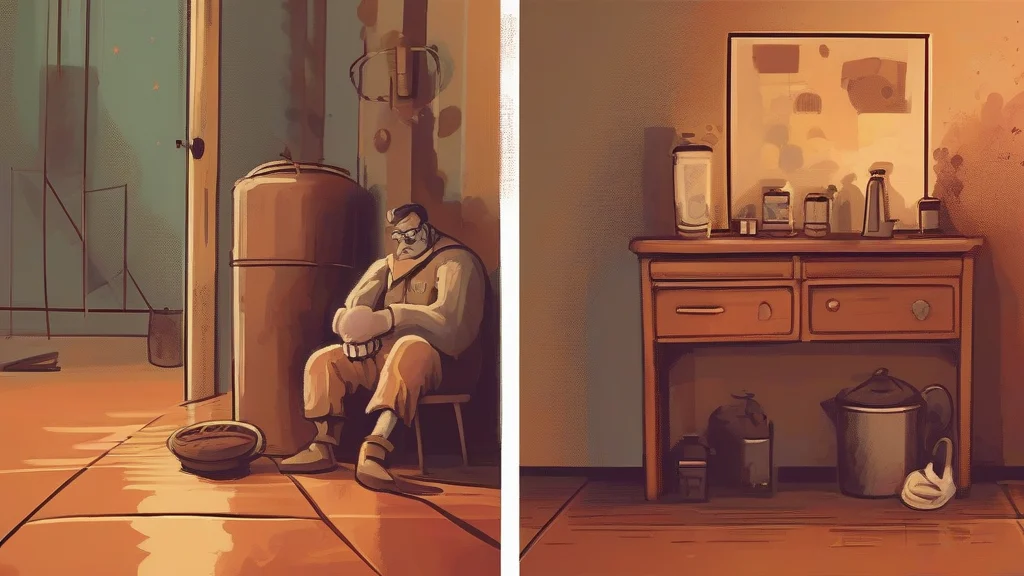
What does stinkier mean?
Stinkier is the comparative form of stinky, meaning that something has a stronger or more unpleasant odor than something else. It is commonly used in everyday speech when comparing smells, especially when describing food, animals, rooms, or waste. The word can be humorous or emphatic, as in a claim that a place has become “even stinkier,” but it may also convey straightforward criticism. Its comparative ending, -ier, is added to stinky, making the comparison explicit. In formal writing, a phrase such as “more pungent” or “more malodorous” may sound more polished, though stinkier remains perfectly natural in conversational contexts.
adjectiveComparative of stinky: having a stronger or more unpleasant smell than something else.
- Comparative of stinky, meaning having a stronger or more unpleasant smell.
"The old refrigerator is even stinkier than the bin outside it."
"The crowded train became stinkier after the rain."
"This particular cheese is stinkier than the one we tried yesterday."
A stinkier smell means the odor is not just unpleasant—it is winning the comparison.
Reviewed by Deb Chak, Editor. AI-assisted content curated by RJS Tech Solutions LLP.
Etymology of stinkier
The word belongs to the Germanic root behind stink and stench, both of which relate to a strong or unpleasant smell. Stinky developed from stink by adding the adjectival suffix -y, and the comparative form stinkier was formed with the usual English comparative ending -ier. The modern family preserves the same basic sense found in the related words stench and stinking.
Related word forms
How stinkier is actually used
Stinkier is the comparative form of stinky and is used when comparing two people or things. It is common in everyday speech and informal writing, while more pungent may sound more formal or precise.
Easily confused with stinkier
Stinky is the base adjective, while stinkier is its comparative form, used to compare the intensity of a smell.