
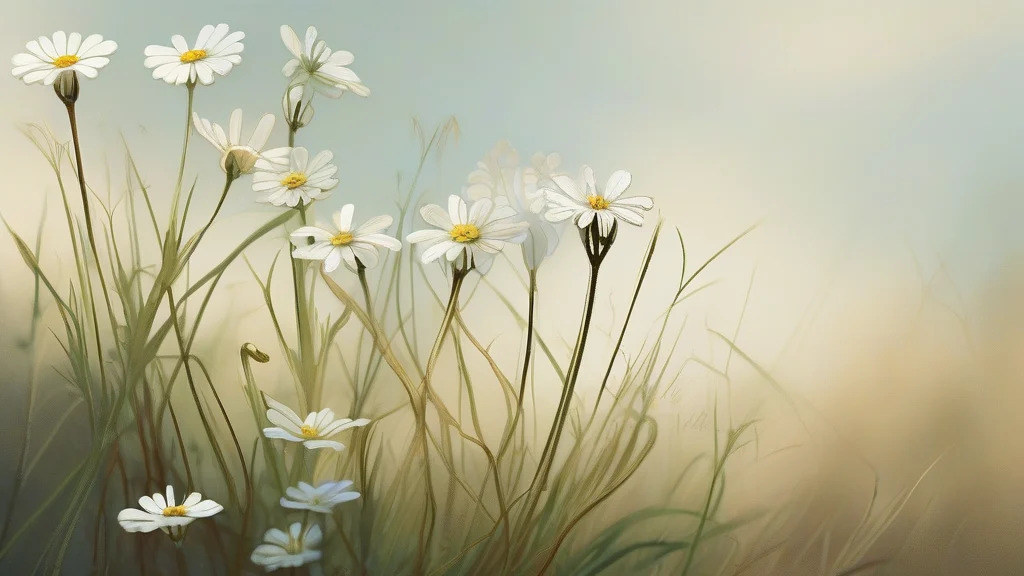
What does stitchwort mean?
Stitchwort is a common name for several members of the genus Stellaria, a group of slender plants related to chickweeds. The best-known species is greater stitchwort, Stellaria holostea, which grows in meadows, woodland margins, and grassy places. It bears small, white, deeply divided, star-shaped flowers on thin stems. The name is traditionally explained by the plant's historical association with cuts and wounds, especially with efforts to bind or staunch bleeding, while “wort” is an old English word for a plant or herb. In modern use, stitchwort is primarily a botanical term rather than an everyday word. Gardeners may recognize it among familiar meadow wildflowers, although the broader application of “chickweed” and differences in regional naming can sometimes make its identity uncertain. Greater and lesser stitchwort should not be confused solely on the basis of their similar names, since they are distinct species.
nounStitchwort is a common name for plants of the genus Stellaria, especially greater stitchwort (Stellaria holostea), a slender perennial wildflower with narrow leaves and star-shaped white flowers. The name is associated with the plant's traditional use for treating cuts and wounds.
- Any of several plants of the genus Stellaria, especially greater stitchwort, a perennial wildflower with white star-shaped flowers.
- In particular usage, the greater stitchwort (Stellaria holostea), distinguished by its narrow leaves, jointed stems, and relatively large white flowers.
"A patch of stitchwort grew beside the hedgerow, its white flowers opening among the long grass."
"The botanist identified the plant as greater stitchwort after examining its jointed stems and white flowers."
"She gathered stitchwort from the damp ground at the edge of the woodland."
The plural is used when referring to multiple plants or distinct species in the genus.
"Several stitchworts grew along the shaded path."
With its tiny white star-shaped flowers, stitchwort looks delicate, yet its name preserves a more practical history as a traditional herb for cuts and wounds.
Reviewed by Deb Chak, Editor. AI-assisted content curated by RJS Tech Solutions LLP.
Where does stitchwort come from?
The English name combines “stitch” with “wort,” an Old English term for a plant or herb. Its “stitch” element refers to the plant's traditional association with stitching, binding, or staunching wounds rather than to its present use in sewing. The compound reflects the older practice of naming useful plants after the purposes for which they were gathered.
How stitchwort is actually used
The unqualified name can refer to several species, while “greater stitchwort” and “lesser stitchwort” identify more particular plants. It is chiefly a botanical name rather than a general everyday term.
Easily confused with stitchwort
Stitchwort is a name used particularly for Stellaria holostea and related species, whereas chickweed usually refers to Stellaria media or to a broader group of low-growing chickweed plants; usage varies regionally.