
What does stockmen mean?
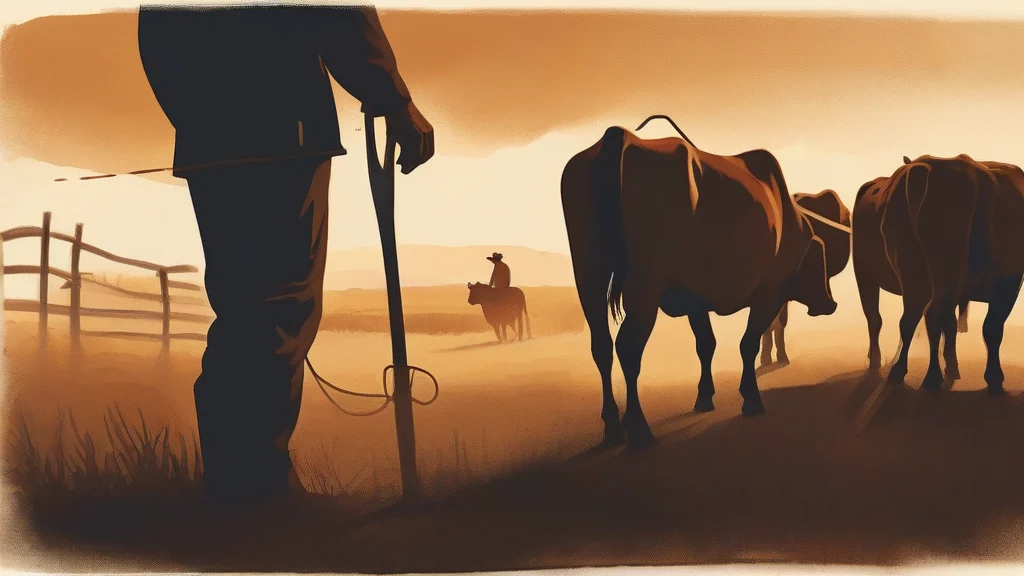
Stockmen are people who own, manage, or tend livestock, particularly cattle and other grazing animals. The word is especially associated with ranching and pastoral agriculture in Britain, the United States, Australia, and other Commonwealth regions. A stockman may be responsible for a herd's movement, feeding, health, and general care, as well as for the land on which the animals graze. The term has an older financial meaning as well: in early descriptions of securities markets, stockmen were traders or dealers who dealt directly in stocks and shares. That sense has largely been replaced by terms such as stockbroker and trader. Today, hearing stockmen usually brings to mind cattle country, ranch work, and the practical knowledge required to manage livestock. It remains a useful, distinctly traditional term that connects everyday agricultural work with an older commercial history.
A person who owns, manages, or tends livestock, especially cattle.
"The stockmen inspected the fences before moving the cattle across the valley."
The usual form is plural, though stockman occurs in singular contexts.
In historical financial usage, a trader or dealer who bought and sold stocks or shares.
"The newspaper described the panic among the stockmen as prices fell sharply."
This sense is dated; stockbroker is normally used for the modern profession.
Stockmen is the standard plural of stockman and refers to multiple people who manage livestock.
"Several stockmen brought their herds down from the summer pastures."
One word has carried the economy on its back: a stockman is both a rancher and, in an older sense, a financial trader.
Reviewed by Deb Chak, Editor. AI-assisted content curated by RJS Tech Solutions LLP.
Where does stockmen come from?
The word is a compound of stock and man. Stock originally referred to livestock or a herd and then came to mean accumulated goods or ownership shares in a company. Stockman was therefore formed with the sense of a man who deals in stock, initially livestock and later, by extension, securities. The agricultural sense remained dominant while the financial sense became increasingly old-fashioned.
How stockmen is actually used
In agricultural contexts, the term remains current, particularly in Britain, the United States, and Australia. Its financial sense is now dated and usually refers to people who traded directly in stocks or securities.
Easily confused with stockmen
A stockman manages livestock or, in older usage, trades in securities, whereas a stockbroker buys and sells securities on behalf of clients.