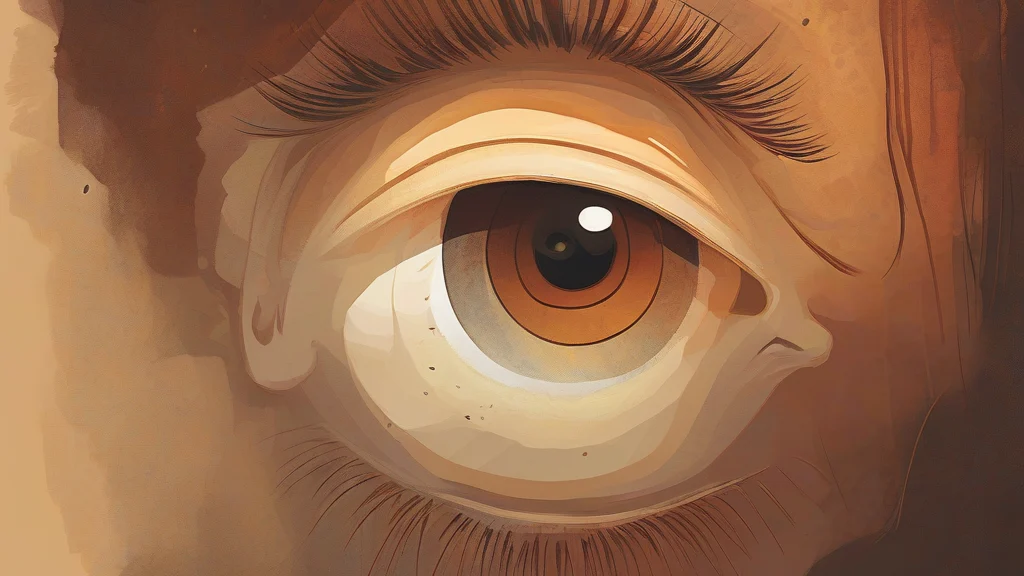
What does strabismus mean?
Strabismus is a condition in which the eyes are misaligned and point in different directions, often causing double vision. This can be a congenital or acquired condition, and may be caused by a variety of factors, including muscle weakness or injury to the eye. Strabismus can be treated with surgery, glasses, or other corrective measures. In some cases, strabismus may be a symptom of a larger underlying condition, such as a neurological disorder. The term strabismus is derived from the Greek word στράβος (strabos), meaning 'squinting' or 'cross-eyed'. It is a relatively rare condition, but can have a significant impact on a person's quality of life. Treatment for strabismus typically involves a combination of medical and surgical interventions, and may require ongoing management to ensure optimal results.
nounA condition in which the eyes are misaligned and point in different directions, often causing double vision.
- A condition in which the eyes are misaligned and point in different directions, often causing double vision.
"The child was diagnosed with strabismus and required surgery to correct the alignment of her eyes."
"The child was diagnosed with strabismus and required surgery to correct the alignment of her eyes."
"The artist's painting of a person with strabismus was a powerful commentary on the human condition."
The plural form of strabismus is typically used when referring to multiple cases of the condition.
"The doctor treated several cases of strabismus in her practice."
Reviewed by Deb Chak, Editor. AI-assisted content curated by RJS Tech Solutions LLP.
Etymology of strabismus
The term strabismus is derived from the Greek word στράβος (strabos), meaning 'squinting' or 'cross-eyed'. This word is thought to be related to the Greek word στράβω (strabō), meaning 'to squint' or 'to cross one's eyes'. The term strabismus has been used in English since the 16th century to describe the condition of misaligned eyes.
How strabismus is actually used
Strabismus can be either congenital or acquired, and may be caused by a variety of factors, including muscle weakness or injury to the eye.