
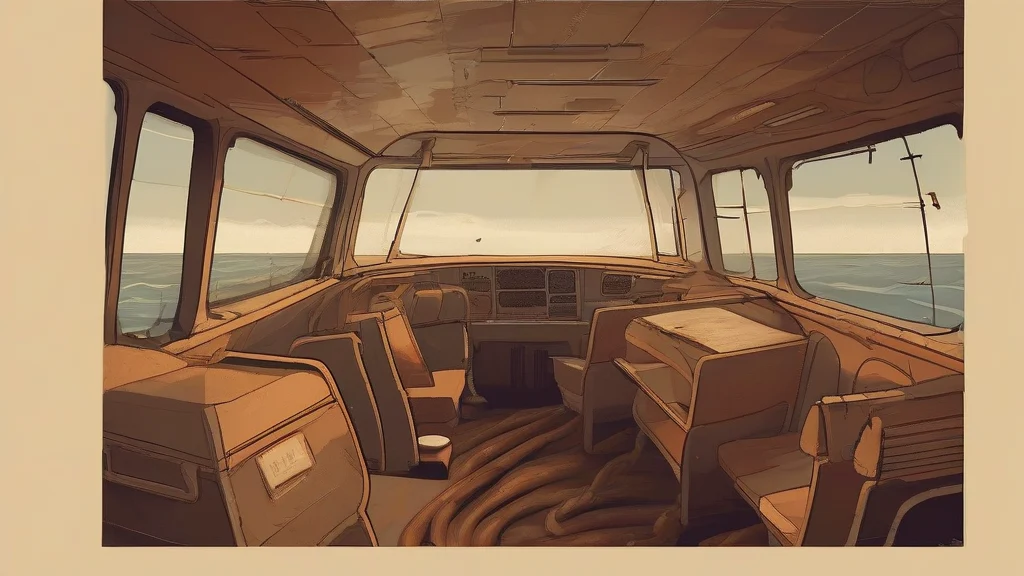
What does stranding mean?
Stranding means leaving a person, animal, vehicle, or vessel somewhere from which it cannot readily move or return. The word is especially common in reports of transport disruption: bad weather, mechanical failure, cancellation, or accident may leave passengers stranded at an airport, on a motorway, or away from home. It can also refer more generally to separating someone from the resources or support they need. As a noun, stranding names the act itself or the resulting condition, as in the stranding of ships or the risk of stranding wildlife. The term often carries a strong practical and emotional implication: those affected are not merely delayed but unable to act for themselves. It is also used figuratively for commercial, legal, or technical circumstances in which people or organizations are left without access to something essential.
The act of leaving someone or something without the means to move or get away, or the condition resulting from this.
"The report examined the stranding of ships during the storm."
Often used with passengers, travellers, vessels, vehicles, or wildlife.
To leave someone or something without the means to move, get away, or return.
"The closed highway stranded several families near the coast."
This is the present participle of strand and is commonly used with an object: stranding passengers, stranding boats, or stranding wildlife.
The plural is used when referring to multiple incidents or instances of people or things being stranded.
"Repeated strandings have increased demand for rescue services."
A stalled vehicle can strand its driver, but a stranded whale can strand the rescue teams trying to help it.
Reviewed by Deb Chak, Editor. AI-assisted content curated by RJS Tech Solutions LLP.
Where does stranding come from?
The word comes from the verb strand, meaning to leave someone or something on shore or without a means of escape. Strand originally referred to a shore or beach and comes from Old English strand; the verb's sense of leaving a vessel ashore developed in the early modern period. The present form stranding was formed by adding the suffix -ing to that verb.
Related word forms
How stranding is actually used
The word is commonly used for people, vehicles, vessels, and sometimes animals. Its figurative use often implies not merely inconvenience but complete separation from ordinary access to transport, shelter, or assistance.