
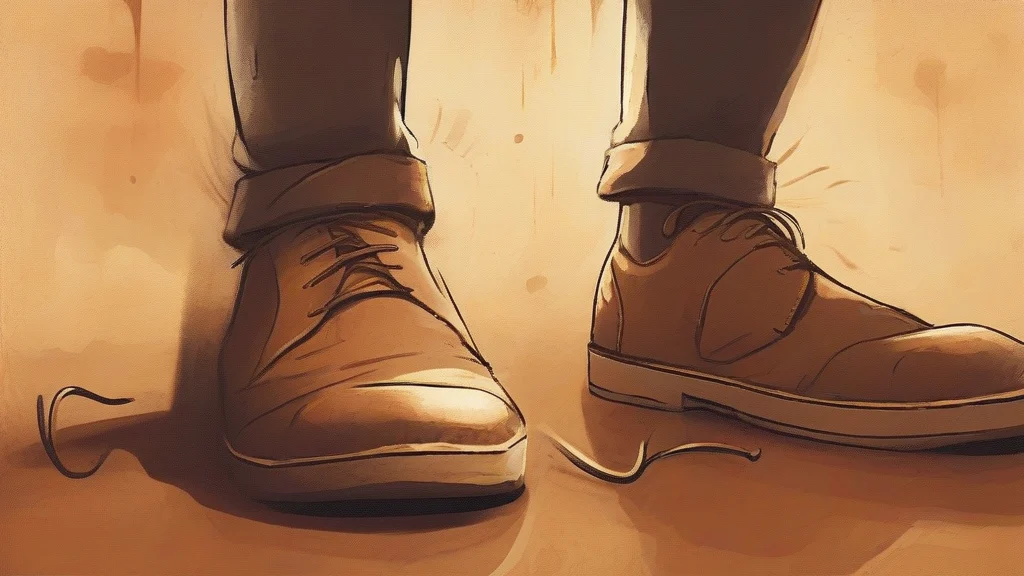
What does stubbed mean?
“Stubbed” is the past tense and past participle of “stub,” a verb meaning to cut, break, or shorten something so that it ends abruptly. The word also refers to extinguishing a cigarette by pressing it against a surface, as in “stubbed out his cigarette.” In the familiar phrase “stub one’s toe,” it describes accidentally striking the toe against a hard object. These meanings all share an idea of stopping, shortening, or interrupting an action. “Stubbed” is ordinary in both British and American English and appears in practical instructions, narrative descriptions, and expressions such as “a stubbed cigarette.” The related noun “stub” can refer to a short piece, the remaining stump of something, or a small leftover, while “stubble” refers to the short, rough growth of beard or the remnants of cut grain.
verbStubbed means cut, broken, or shortened so that it ends abruptly. It can also mean extinguished a cigarette or other smoking material by pressing it out, and in the expression “stub one’s toe,” it means to strike one’s toe against something.
- To cut, break, or shorten something so that it ends abruptly
- To extinguish a cigarette or other smoking material by pressing it out
- To strike one’s toe against an object
"The author stubbed the cigarette in the ashtray before answering the door."
"The dog stubbed its paw on the broken glass."
"He stubbed out his cigarette in the sink."
The same simple word that means a tree stump also means the short remainder left after something is cut or broken.
Reviewed by Deb Chak, Editor. AI-assisted content curated by RJS Tech Solutions LLP.
Where does stubbed come from?
“Stubbed” derives from the English verb “stub,” whose oldest forms relate to a stump or short remaining piece. The noun “stub” is recorded from Old English, where it referred to a tree stump or remaining portion, and modern forms such as “stubble” and “stubbly” continue to reflect that older sense of short or residual growth.
How stubbed is actually used
As the past tense and past participle of “stub,” the word is standard in British and American English. The expression “stub one’s toe” is idiomatic and commonly refers to a minor knock against an object.