
What does sukkot mean?
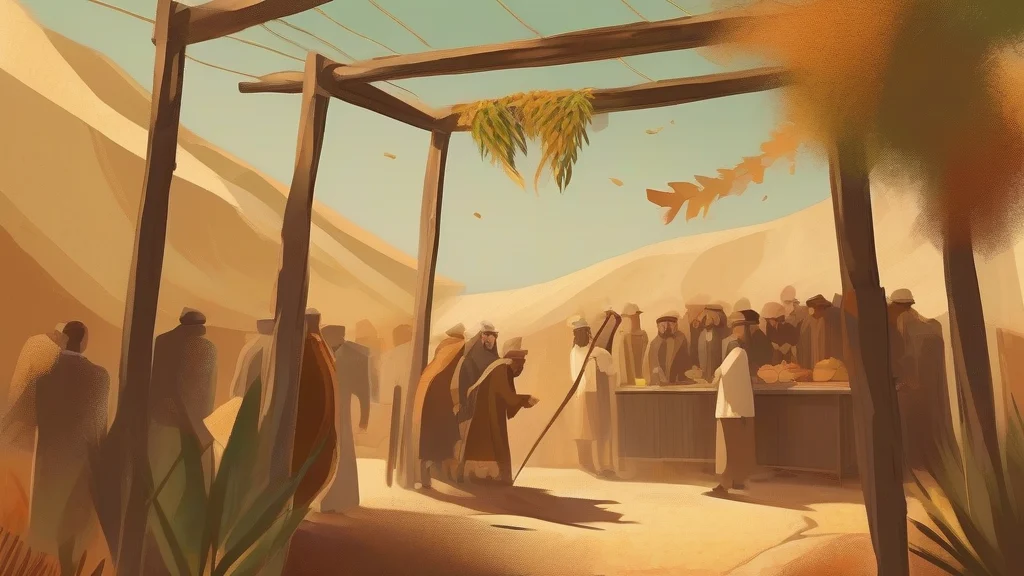
Sukkot is a seven-day Jewish festival associated with the biblical Israelites' temporary dwellings during their wandering in the wilderness. It begins on the 15th of Tishrei and is also known as the Feast of Booths or the Feast of Tabernacles. A central custom is to construct and use a sukkah, a temporary booth or shelter made from materials such as branches, leaves, and fabric. Traditional meals are eaten in the sukkah, often with guests, and the festival includes prayers, blessings, and the waving of lulav and etrog where those customs are practiced. The term carries strong religious, seasonal, and communal associations and is especially prominent in Jewish life. Learning it also clarifies an important distinction: Sukkot names the festival, while a sukkah names the physical shelter used during it.
nounSukkot is the Jewish festival of booths, observed for seven days beginning on the 15th of Tishrei. During the festival, people traditionally eat and, where possible, sleep in a sukkah, a temporary shelter decorated with natural materials.
- The Jewish festival of booths, observed for seven days from the 15th of Tishrei, during which people traditionally eat and sleep in temporary shelters called sukkot, or sukkkahs.
"Families gathered to celebrate Sukkot by sharing a meal in a decorated sukkah beneath the evening sky."
"The community opened its synagogue for Sukkot prayers and a shared holiday meal."
"During Sukkot, many families build a sukkah on the garden or patio and use it for evening meals."
The plural is uncommon; Sukkot is normally used as a singular name for the festival.
"The book compares the customs of Sukkot across different Jewish communities."
Sukkot turns the human need for shelter into a festival: for seven days, dinner is served inside a sukkah, often open to the sky.
Reviewed by Deb Chak, Editor. AI-assisted content curated by RJS Tech Solutions LLP.
Where does sukkot come from?
Sukkot comes from Hebrew סֻכּוֹת (sukkot), the plural of סֻכָּה (sukkah), meaning “booth” or “tabernacle.” The Hebrew words belong to the root סֻכַּךְ (sukkakh), meaning “to cover” or “to shelter.” English forms such as sukkah and succah reflect English-language spelling conventions for the same Hebrew word.
How sukkot is actually used
The name is usually capitalized because it refers to a religious festival. In Jewish communities outside Israel, it may also be called the Feast of Booths or the Feast of Tabernacles.
Easily confused with sukkot
Sukkot is the seven-day festival, whereas a sukkah is the temporary booth or shelter in which meals are traditionally eaten during the festival.