
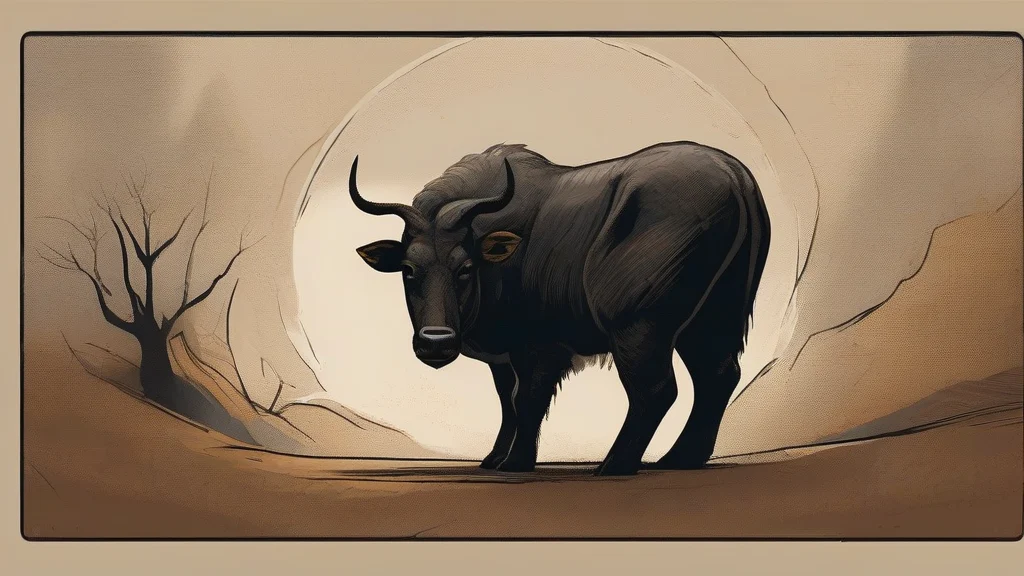
What does swart mean?
Swart is an old-fashioned adjective meaning dark or black, especially when describing a person's face or complexion. It can convey both a physical appearance and, in literary contexts, an impression of severity, toughness, or ruggedness. The word has largely fallen out of ordinary modern use, though it appears in historical writing, poetry, and deliberately archaic prose. Today, swarthy is usually the more natural choice for a dark or black complexion, while swart can add a dramatic or antique tone. The term should be used with attention to context because references to complexion can carry historical or insensitive connotations, and modern speakers may regard it as outdated.
adjectiveDark or black in appearance, especially in describing the complexion or color of the face. Now chiefly literary or archaic.
- Dark or black in appearance, especially with reference to a complexion or face.
"The old warrior's swart features seemed to grow more imposing in the firelight."
"Her swart face was framed by a scarf of bright red."
"The novel describes the sailors as sunburned and swart after months at sea."
Once a familiar word for a dark complexion, swart survives mainly in poetry and archaic prose.
Reviewed by Deb Chak, Editor. AI-assisted content curated by RJS Tech Solutions LLP.
Etymology of swart
Swart is an English word of Germanic origin, related to an Old English term for blackness or a dark color. It developed into modern English through Middle English forms and was once more commonly used for black, dark-complexioned, or visibly weathered appearances. The related adjective swarthy retains a narrower association with complexion, while forms such as swartly and swartness developed from the same older base.
Related word forms
How swart is actually used
Swart is now literary or archaic and may sound deliberately old-fashioned. In modern English, swarthy is generally preferred when referring specifically to a dark complexion.
Easily confused with swart
Swart is an older, chiefly literary adjective meaning dark or black, whereas swarthy specifically describes a dark or black complexion.