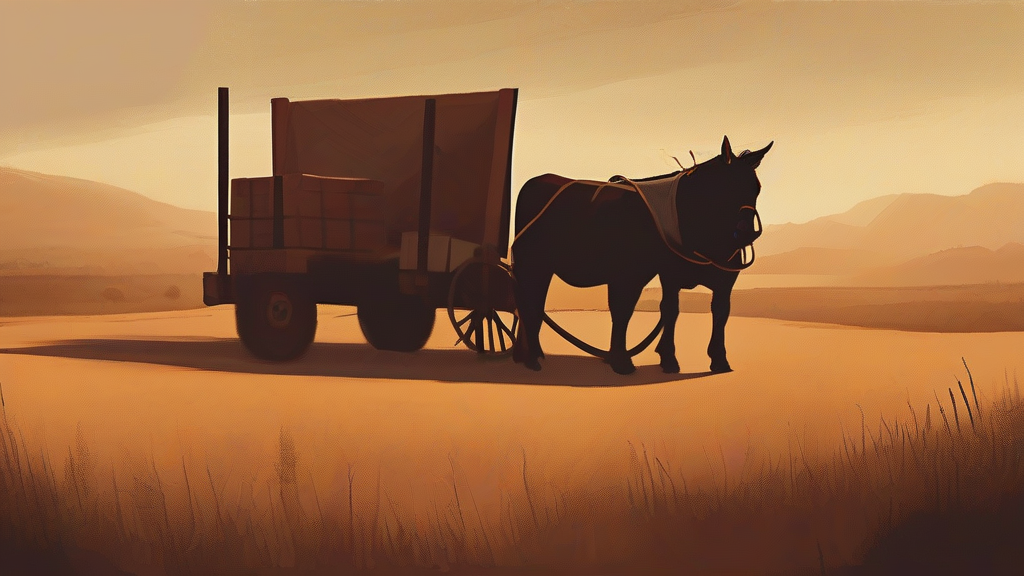
What does tabourer mean?
A tabourer is a person who works as a laborer, typically in a rural area. This term is often used to refer to someone who works in agriculture or construction. The word has a somewhat archaic feel to it, but it is still used in some parts of the UK. Tabourers are often relied upon to help with harvests or construction projects. The term is not commonly used in urban areas, but it is still an important part of rural culture. In terms of connotation, the word has a sense of hard work and dedication. It is a useful term for those who want to describe someone who works with their hands. Overall, the word tabourer is an interesting and useful term that provides insight into rural culture and the importance of laborers in these communities.
nounA tabourer is a person who works as a laborer, typically in a rural area, often in agriculture or construction.
- A person who works as a laborer, typically in a rural area.
"The village relied heavily on the local tabourers to help with the harvest."
"The village relied heavily on the local tabourers to help with the harvest."
"The tabourers worked tirelessly to complete the construction project."
The plural form of tabourer is used to refer to multiple laborers or workmen.
"The village relied heavily on the local tabourers to help with the harvest."
Reviewed by Deb Chak, Editor. AI-assisted content curated by RJS Tech Solutions LLP.
Etymology of tabourer
The word tabourer is derived from the Old French word 'tabourer', which means 'to labor' or 'to work'. This word is itself derived from the Latin word 'tabulari', which means 'to make or construct'. The word has been used in English since the 14th century to refer to a laborer or workman.
How tabourer is actually used
Tabourer is a somewhat archaic term, but it is still used in some rural areas to refer to a laborer or workman.