
What does tailed mean?
The word “tailed” is most commonly used as an adjective meaning that something has a tail. It often specifies the tail’s shape, size, or appearance when placed before a noun: “long-tailed,” “short-tailed,” and “fork-tailed” are familiar examples. These forms occur especially in descriptions of animals, birds, fish, and other organisms, although they can also refer to mechanical or astronomical objects shaped like a tail. The word can also function as a verb form. In that use, it is the past tense and past participle of “tail,” which may mean either to move one’s tail or, more commonly in modern English, to follow someone closely. Consequently, “tailed” can imply persistent, sometimes unwanted attention, as when a journalist follows a public figure. The adjective and verbal uses are grammatically distinct but share the same basic form and historical connection with the noun “tail.”
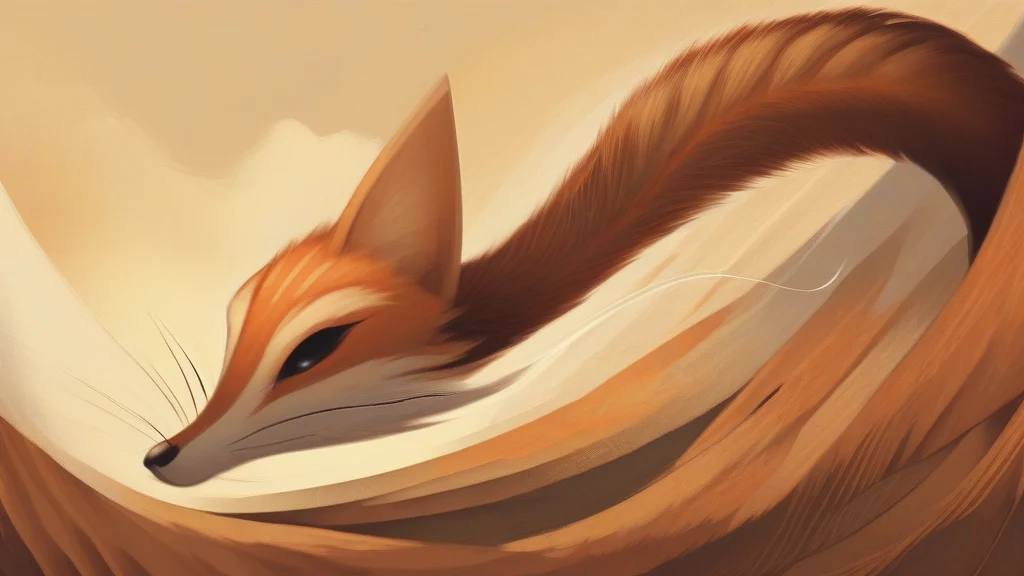
Having a tail, especially a tail of a particular form, size, or number.
"A blue-tailed bird landed on the fence."
Frequently used before a noun to characterize the kind of tail an animal or object has.
The past tense and past participle of “tail.”
"The photographers tailed the actor outside the theatre."
In current usage, it usually means to follow someone closely and persistently.
A single ending can change the subject completely: “tailed” describes something with a tail, while as a verb form it can mean to follow someone closely.
Reviewed by Deb Chak, Editor. AI-assisted content curated by RJS Tech Solutions LLP.
Where does tailed come from?
The adjective and verb form derive from the noun and verb “tail.” The noun comes from Old English “tæl,” meaning the rear end of an animal or a projecting part, and was already established in English for the appendage of an animal and related shapes. The ending “-ed” creates the adjective “tailed” and also serves as the regular past-tense and past-participle ending of the verb.
How tailed is actually used
As an adjective, “tailed” is usually used attributively, as in “long-tailed.” As a verb form, it can mean to move one's tail or to follow someone persistently; in modern use, the latter sense is more common than the original sense of moving a tail.