
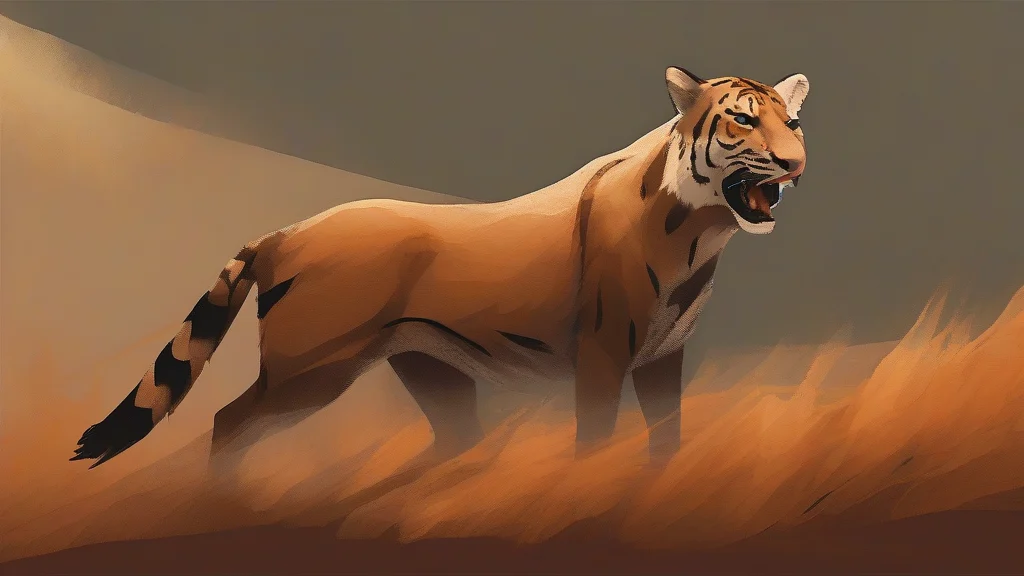
What does tame mean?
“Tame” describes something that has been brought under human control or has become accustomed to people, especially an animal. It can also describe a person or thing as gentle, patient, manageable, or compliant. In the sense of something unexciting, the word is usually mildly disparaging: a “tame journey” or “tame entertainment” lacks adventure, novelty, or intensity. As a verb, “tame” means to domesticate or calm an animal, but it also applies more broadly to reducing something excessive or difficult, such as inflation, a difficult proposal, or disruptive behavior. The word is useful because it connects ideas of control and gentleness while allowing a negative sense of being bland or unchallenging.
Domesticated, gentle, or accustomed to human handling and control; also, mild, manageable, or unexciting.
"The tame pony waited patiently while the children approached."
When applied to people, animals, or behavior, it usually suggests manageable gentleness. When applied to events, entertainment, or landscapes, it commonly means uneventful or unexciting.
To bring a wild animal under control or make it less dangerous; to reduce the force, intensity, or difficulty of something.
"The trainer worked patiently to tame the rescued horse."
The figurative use is common and can describe reducing inflation, violence, opposition, or unruly behavior.
From “tame” to “team” is one letter away, but only one of them can be found in a horse paddock.
Reviewed by Deb Chak, Editor. AI-assisted content curated by RJS Tech Solutions LLP.
Where does tame come from?
The English word descends from Old English tam, meaning “domesticated” or “tame.” It was reinforced through Old French tame and Latin domare, “to tame” or “to bring under control.” The Latin root domus, meaning “house” or “home,” connects the word to other English forms such as domestic and domicile, although these developed with different meanings.
Related word forms
How tame is actually used
“Tame” is positive when describing an animal or temperament because it suggests gentleness and familiarity, but it is often mildly negative when describing an event, landscape, or style as dull or uneventful. As a verb, it can suggest reducing something's force or difficulty, sometimes with the implication of making it controlled or predictable.
Easily confused with tame
“Tame” means domesticated, gentle, or manageable, whereas “temple” is a building or part of the body associated with religious worship.