
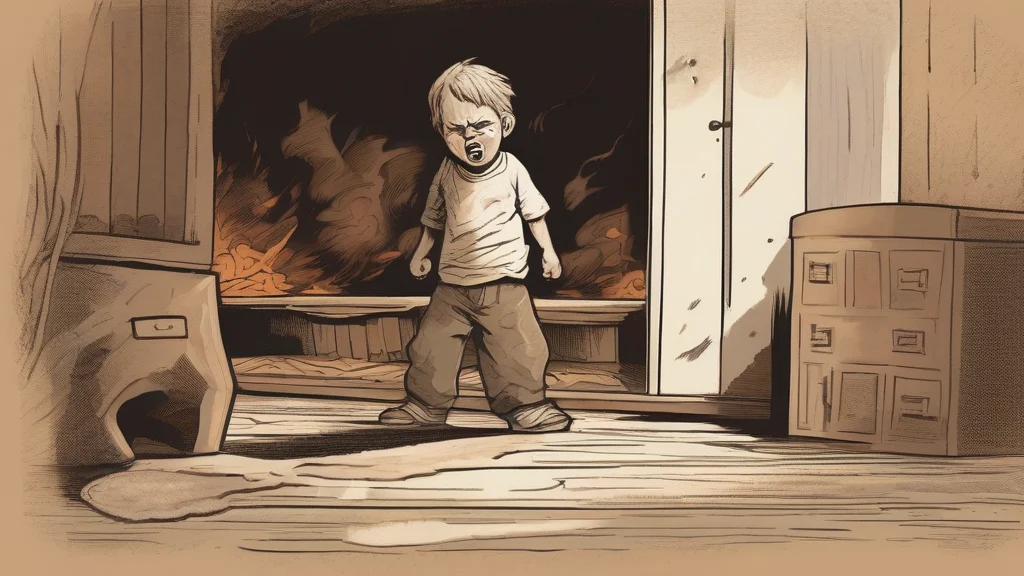
What does tantrum mean?
A tantrum is a sudden, uncontrolled outburst of anger, frustration, or distress. The word is especially common when describing a child who cries, shouts, stamps, or becomes physically agitated because a want has not been met. It can also describe an adult losing his or her temper, sometimes in a joking or critical way. In everyday use, “tantrum” may suggest behaviour regarded as immature, excessive, or deliberately manipulative, although the expression does not establish whether that is true. The word is most often used with verbs such as “throw,” “have,” and “fit into,” as in “have a tantrum” and “throw a tantrum.” It is informal rather than clinical: psychologists are more likely to describe an episode as an emotional outburst, tantrum, or episode of temper, depending on the context and the child’s development. The term is not limited by nationality and is widely understood in both British and American English.
nounA sudden, uncontrolled outburst of anger, frustration, or temper, especially one displayed by a child. The term can also refer to an angry reaction by an adult.
- A sudden, uncontrolled outburst of anger, frustration, or temper, especially one displayed by a child.
"The child threw a tantrum when the biscuits were finished."
"The child threw a tantrum when the biscuits were finished."
"He was dismissed from the meeting after throwing a tantrum about the proposed changes."
The standard plural is “tantrums.”
"The incident was followed by several tantrums."
A tantrum is often described as childish, but adults can have them too—the surprise is that the word does not spare grown-ups.
Reviewed by Deb Chak, Editor. AI-assisted content curated by RJS Tech Solutions LLP.
Where does tantrum come from?
The word “tantrum” entered English in the early 18th century. Its precise origin is uncertain, and it has no securely established family of cognates in other languages.
How tantrum is actually used
Informal. The term is often used dismissively for emotional outbursts, particularly those attributed to children, though it can describe adult behaviour as well. It may carry a connotation of immaturity, exaggeration, or loss of control.