
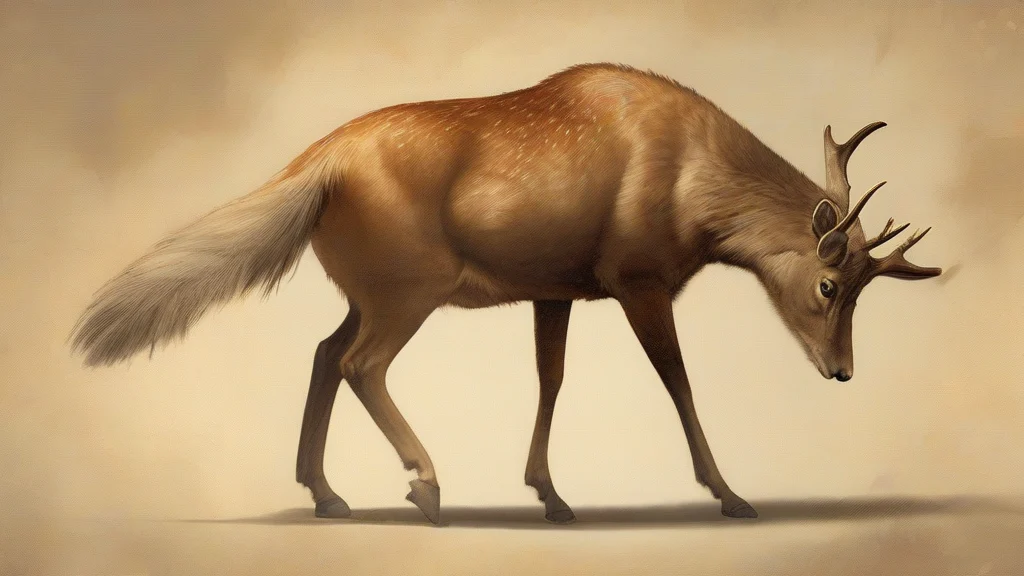
What does taxidermic mean?
Taxidermic is an adjective meaning of or relating to taxidermy, the craft of preparing animal specimens so that they retain a lifelike appearance for study or display. It is used especially of techniques, models, materials, and displays associated with that work, as in “taxidermic techniques” or “taxidermic specimens.” Unlike the noun taxidermy, which names the craft itself, taxidermic qualifies another noun rather than serving as a name for an object or practitioner. The word is formal and descriptive, commonly encountered in museum, natural-history, and conservation contexts. It carries no necessary negative connotation, although taxidermy is sometimes associated with hunting, collecting, or preserving animals after death. Taxidermic is also linguistically revealing: through the related word taxidermy, it joins roots meaning arrangement or order and skin, reflecting the careful arrangement of an animal's skin over a reconstructed form. Taxidermy, taxidermic, and taxidermist form a useful family for discussing both the practice and those who perform it.
adjectiveOf or relating to taxidermy, especially the techniques, specimens, and displays used to preserve animals in a lifelike form.
- Of or relating to taxidermy or to the preservation and mounting of animal specimens.
"The taxidermic techniques used to prepare the museum's rare bird specimens are documented in its archive."
"The taxidermic techniques used to prepare the museum's rare bird specimens are documented in its archive."
"Her research examines the historical and cultural significance of taxidermic displays in natural-history museums."
Taxidermic combines roots meaning “arrangement” and “skin,” compactly describing the careful preparation of an animal's skin into a lasting likeness.
Reviewed by Deb Chak, Editor. AI-assisted content curated by RJS Tech Solutions LLP.
Where does taxidermic come from?
Taxidermic was formed as an adjective from taxidermy with the suffix -ic. Taxidermy combines Greek taxis, meaning arrangement or order, with Greek derma, meaning skin, and refers to the arrangement and preservation of an animal's skin to create a lifelike specimen. Related English words include taxonomy and taxis from the taxis element, and dermatitis and dermatology from the derma element.
Related word forms
How taxidermic is actually used
Taxidermic is a formal, descriptive adjective, especially common in museum, natural-history, conservation, and historical contexts. It is less common than the noun taxidermy and does not itself carry a negative connotation.
Easily confused with taxidermic
Taxidermic is an adjective describing something related to the craft, whereas taxidermy is the noun naming the craft itself.