
What does ted mean?
Ted is a compact word with two quite different lives. In informal British English, a ted is a teddy bear or another soft stuffed toy, often the kind of comforting object associated with a child or a bedroom. As a verb, to ted means to spread out or scatter straw, particularly after cutting it, so that air can circulate and the material dries. The verb is chiefly associated with farming and appears in descriptions of harvesting, haymaking, and the preparation of bedding. The noun is warmer and more familiar, whereas the verb is practical and agricultural. Although the two senses do not obviously resemble one another, modern dictionaries preserve both under the same simple spelling. Ted is therefore useful not only as vocabulary for rural work and traditional crafts, but also as an example of how a familiar everyday word can specialize, shift in register, and carry quite unrelated meanings.
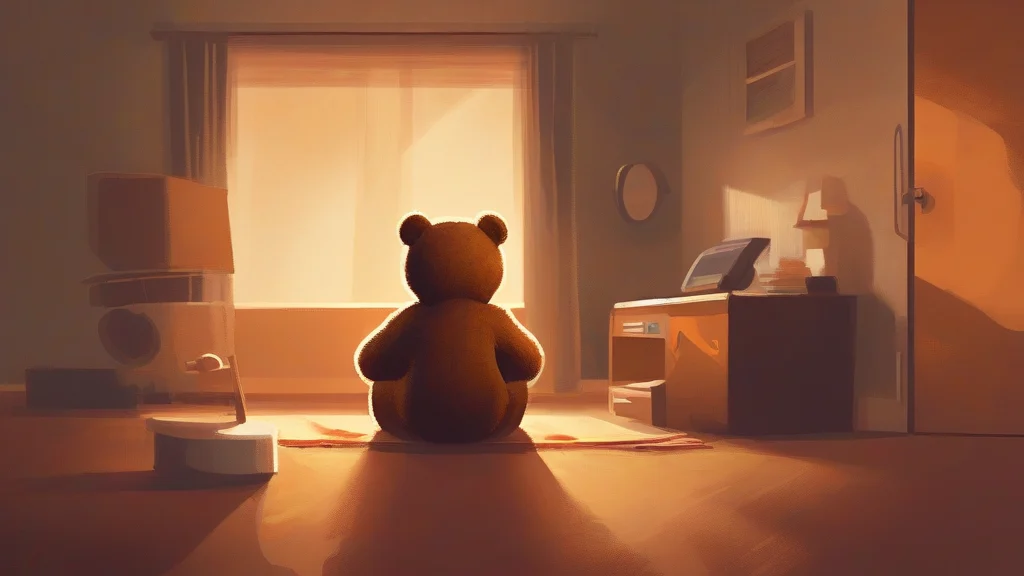
An informal British term for a teddy bear or similar stuffed toy.
"The worn ted sat on the child's bedside chair."
Chiefly British and informal; often affectionate or nostalgic in tone.
To spread or scatter straw, especially so that it dries.
"Workers ted the straw after bringing it in from the fields."
Chiefly associated with farming and rural activities.
The regular plural of the informal noun meaning a teddy bear or stuffed toy.
"The shop displayed a row of colourful teds."
One word can cover the comforting shape of a childhood toy and the practical work of spreading straw in the sun.
Reviewed by Deb Chak, Editor. AI-assisted content curated by RJS Tech Solutions LLP.
Where does ted come from?
As a noun, ted is a shortened form of teddy, a familiar form of Teddy, which ultimately derives from the personal name Theodore. This use became established in the early 20th century alongside the generic use of teddy for bear toys. The older verb appears in Middle English as tedden, meaning to spread or scatter straw, although its deeper linguistic origin is uncertain.
Related word forms
How ted is actually used
The noun is informal, affectionate, and chiefly British. The verb is practical and associated with agriculture or rural work; it may sound old-fashioned in modern everyday speech.