
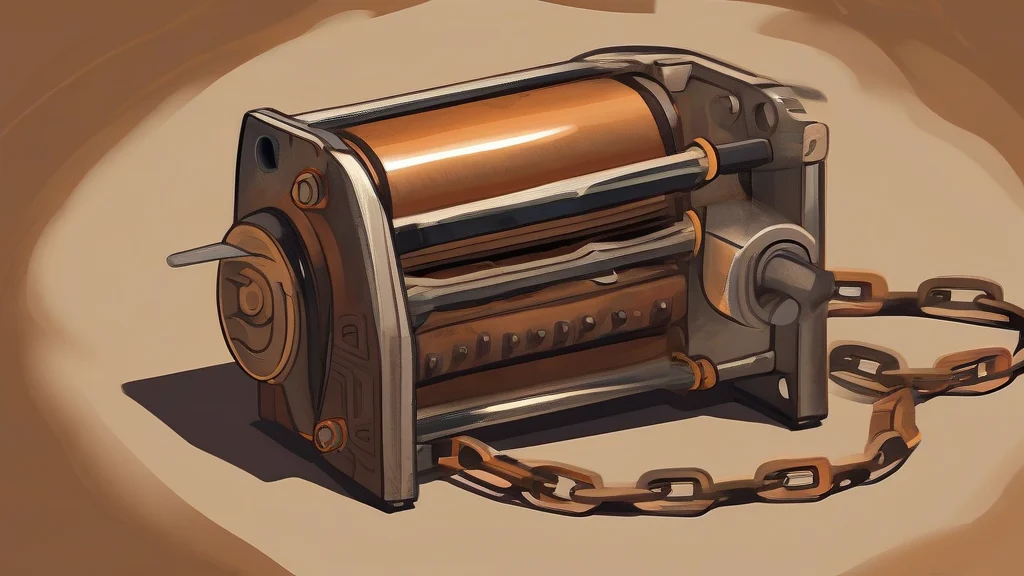
What does tensioner mean?
A tensioner is a mechanical component designed to maintain, adjust, or apply tension to a belt, cable, chain, or similar assembly. Instead of relying on fixed geometry alone, it absorbs movement and compensates for stretching or settling, helping the system remain stable. The term is mainly technical and commonly appears in phrases such as belt tensioner and cable tensioner. In ordinary conversation, a tensioner may also describe a hand tool or adjustment mechanism used to tighten something without leaving it under damaging strain. Because it concentrates on the practical job of balancing firmness against excessive pressure, “tensioner” usefully distinguishes a dedicated control component from a generic fastener. It is therefore especially useful in mechanical maintenance, textile work, photography, and other contexts where consistent tension affects reliability or quality.
nounA device or mechanism designed to maintain, adjust, or apply tension to a belt, cable, chain, or similar assembly.
- A device that maintains or adjusts the tension in a mechanical, textile, photographic, or similar system.
"The automatic tensioner keeps the drive belt snug and prevents it from slipping."
"The mechanic replaced the worn belt tensioner before the chain began to slip."
"Use the spring tensioner to keep the fabric taut while it dries."
The ordinary plural of a countable noun.
"The technician inspected all three tensioners before starting the machine."
A tensioner does more than pull something tight: it keeps it snug without letting the pull become damage.
Reviewed by Deb Chak, Editor. AI-assisted content curated by RJS Tech Solutions LLP.
Where does tensioner come from?
Tensioner is an English agentive formation made by adding the suffix -er to tension. The word tension entered Middle English from Old French tension, ultimately from Latin tēnsio, a noun associated with tendere, “to stretch” or “extend.” Related English words such as tensile and tensible continue the same Latin root family.
Related word forms
How tensioner is actually used
The word is mainly technical and product-oriented. It is often more precise than “tightener” when referring to an adjustable or self-regulating mechanism.