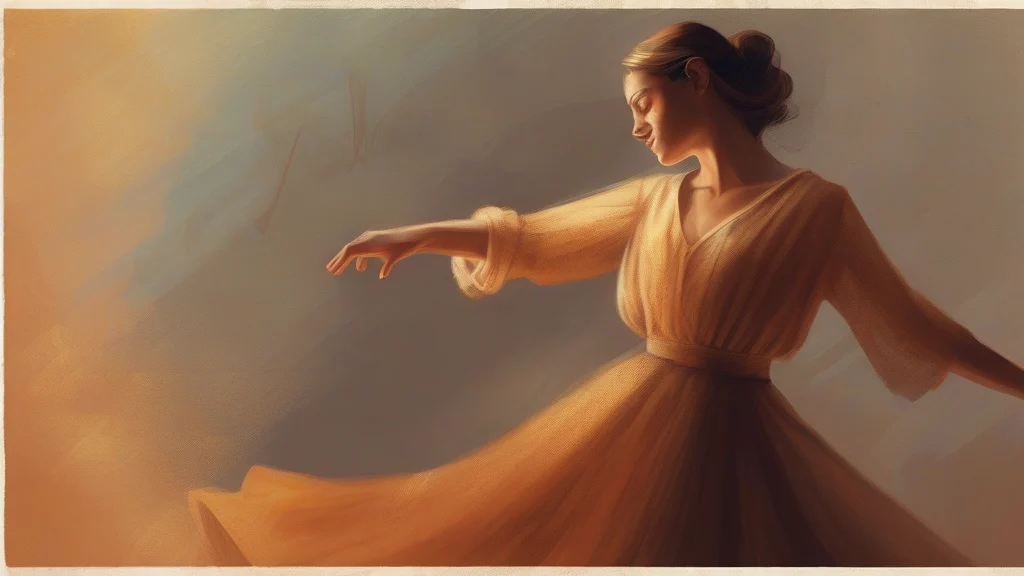
What does terpsichorean mean?
The term terpsichorean refers to something that is related to or reminiscent of dancing, often in a lively or elegant manner. It describes movements, expressions, or qualities that are characterized by a rhythmic or dance-like quality. This adjective is often used in formal or literary contexts to evoke a sense of beauty, precision, and elegance. The word terpsichorean is derived from Terpsichore, the Greek muse of dance and chorus, and is useful for adding a touch of sophistication and cultural reference to descriptions of artistic or poetic expressions.
adjectiveRelating to or reminiscent of dancing, especially in a lively or elegant manner. Characterized by a dancing or rhythmic quality.
- Of or relating to dancing or dance-like movement
- Characterized by a lively or elegant rhythmic quality
"The terpsichorean movements of the ballet dancers captivated the audience with their beauty and precision."
"The terpsichorean movements of the ballet dancers captivated the audience with their beauty and precision."
"The poet's terpsichorean language brought the reader into a world of rhythmic beauty."
Reviewed by Deb Chak, Editor. AI-assisted content curated by RJS Tech Solutions LLP.
Etymology of terpsichorean
The word terpsichorean originates from Terpsichore, one of the nine Muses in Greek mythology, who was the muse of dance and chorus. The term has been used in English since the 18th century to describe something that is related to or reminiscent of dancing. It is derived from the Greek name Τερψιχόρη (Terpsichorē), which means 'delight in dancing'.
How terpsichorean is actually used
Formal or literary usage; often used to describe artistic or poetic expressions that evoke a sense of dance or movement.