
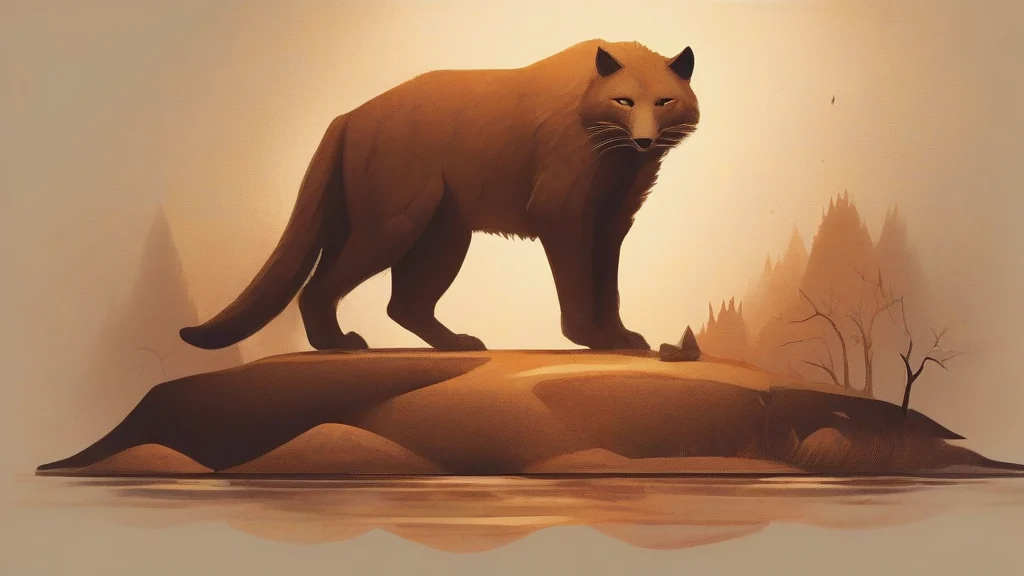
What does theriomorphic mean?
Theriomorphic is a formal adjective meaning that something resembles an animal in form or outward appearance. It is especially useful in discussions of art, religious imagery, mythology, archaeology, and design, where an object or figure may take the shape of an animal to convey a symbolic or protective meaning. For example, a temple sculpture might be described as theriomorphic if it represents a deity or spirit with the body of a lion, bird, or other animal. The word is related to zoomorphic, which is often used in similar artistic contexts, while anthropomorphic describes the opposite kind of representation: one modeled on a human. Theriomorphic generally refers to physical shape, not merely animal-like behavior. Although the word can sound academic, it provides a precise way to distinguish animal-shaped imagery from imagery based on human anatomy or characteristics.
adjectiveResembling an animal in form or appearance; animal-shaped. The term is especially used of artistic, religious, mythological, or symbolic representations.
- Having the form, shape, or outward appearance of an animal.
"The shrine contains several theriomorphic figures representing protective spirits in the forms of animals."
"The sculptor gave each guardian a theriomorphic body modeled on a different species."
"Theriomorphic imagery is prominent in the temple's reliefs and ritual objects."
Human forms, animal forms: theriomorphic comes from Greek words for “wild beast” and “form.”
Reviewed by Deb Chak, Editor. AI-assisted content curated by RJS Tech Solutions LLP.
Where does theriomorphic come from?
Theriomorphic was formed from the combining form therio-, ultimately derived from Ancient Greek thērion, meaning “beast” or “animal,” together with a form based on Greek morphē, meaning “form” or “shape.” The compound entered English as a specialized descriptive term for representations with animal forms. Related English words such as theriology, theriophilous, and theriomancy also draw on the Greek element associated with animals.
How theriomorphic is actually used
This is primarily a formal and specialized term used in art history, religious studies, mythology, archaeology, design, and related fields. It normally concerns physical form rather than animal-like behavior or temperament.
Easily confused with theriomorphic
The terms overlap closely, but zoomorphic is often the more conventional term in art and design for something shaped like an animal, while theriomorphic often emphasizes animal resemblance more generally.
Anthropomorphic describes something resembling or attributed to a human, especially a human-shaped deity, whereas theriomorphic describes something resembling an animal.