
What does thyme mean?
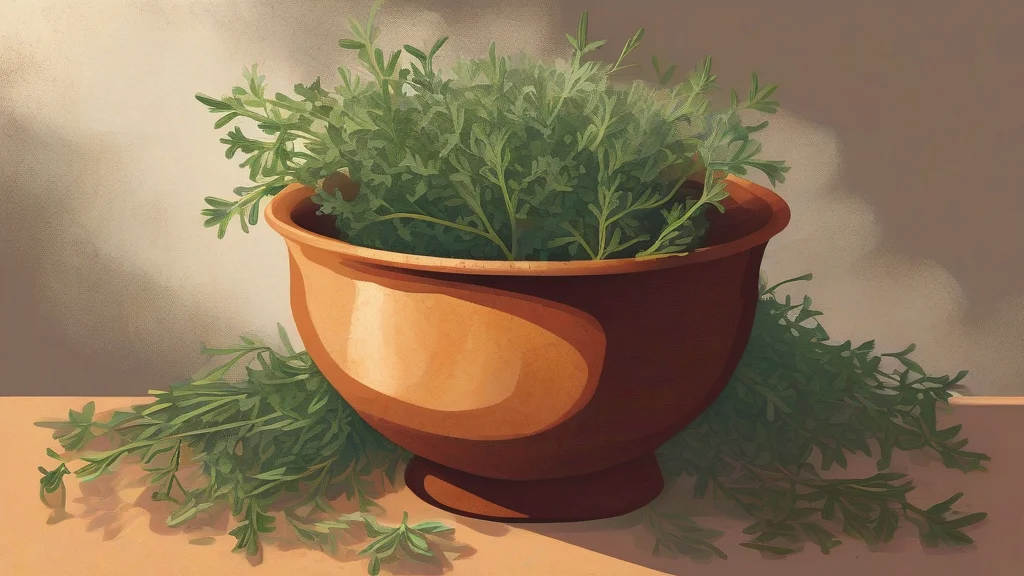
Thyme is an aromatic herb whose leaves are used fresh or dried to season soups, sauces, stews, roasts, and other dishes. It belongs to the mint family and is especially associated with Mediterranean-style cooking, where its warm, slightly peppery flavor is often combined with garlic, lemon, olive oil, and other herbs. Thyme is also used in traditional herbal preparations and teas. In modern English, the plant and culinary meanings dominate, although the word has an older sense meaning “time” or “period” that survives mainly in archaic and poetic writing. Because thyme and time are pronounced alike, the herb’s name can create a pleasing ambiguity in phrases such as “time flies.” The word is therefore both a familiar kitchen ingredient and a small piece of linguistic history, preserving an older vocabulary of time within the language of food and gardening.
nounThyme is an aromatic herb whose small leaves are widely used in cooking, especially in Mediterranean and European cuisines. In older or archaic usage, thyme can also mean a time or period.
- An aromatic herb of the mint family, used as a seasoning and traditionally used in various preparations.
- Archaic or literary: a time, period, or season.
"She roasted the vegetables with garlic, lemon, and fresh thyme."
"The sauce simmered slowly with tomatoes, onions, and a handful of fresh thyme."
"The phrase appears to have been used in the thyme of the late king."
The plural is used when referring to separate herbs, sprigs, or individual portions of the plant.
"The garden contains several thymes with different shades of green."
Thyme is more than a kitchen herb: its name also preserves an archaic word for time, making the herb and the passing of hours audible in the same sound.
Reviewed by Deb Chak, Editor. AI-assisted content curated by RJS Tech Solutions LLP.
Where does thyme come from?
The English word thyme developed through Old French from Latin thymum, a term borrowed from Ancient Greek θύμον (thymon), the name of the herb. The Greek and Latin forms belong to the vocabulary of aromatic herbs, while English later developed thyme into the common culinary term. The similarly pronounced time is unrelated in origin and comes from a different Germanic and Old English word family.
How thyme is actually used
The culinary sense is standard in British and American English. The sense meaning “time” is archaic or poetic and is encountered mainly in older writing or formal literary contexts.
Easily confused with thyme
Thyme can name an aromatic herb, while time names a point, period, or dimension of existence; the two words are pronounced alike.