What does tokonoma mean?
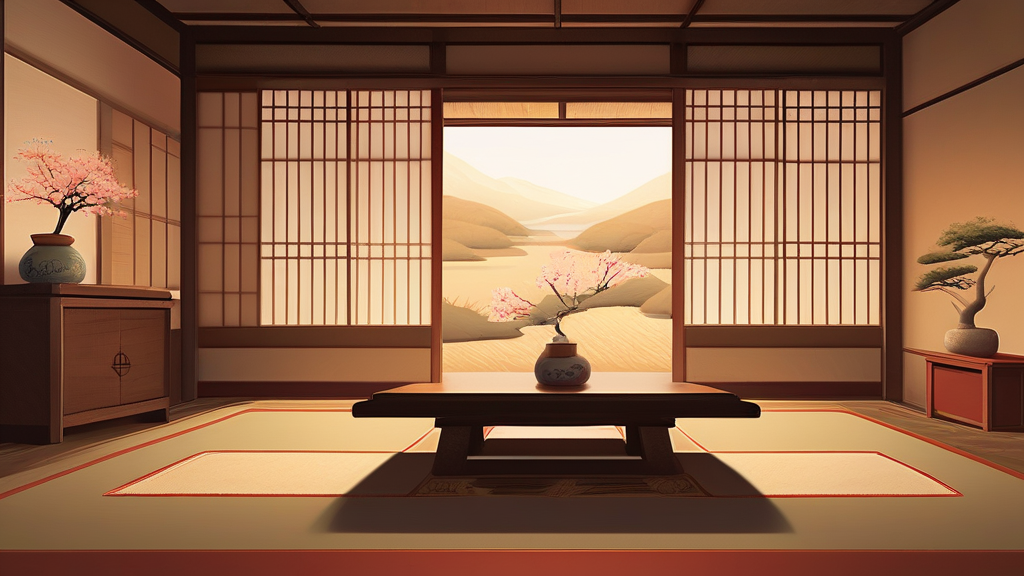
A tokonoma is a recessed area in a traditional Japanese room, used to display a single, important object. This design element is meant to create a sense of calm and contemplation, and is often used in conjunction with a tatami mat floor and shoji screens. The tokonoma is typically used to showcase a prized possession, such as a beautiful antique vase or a stunning bonsai tree. In traditional Japanese architecture, the tokonoma is a deliberate design element, meant to create a sense of serenity and tranquility. It is an important part of the overall aesthetic of a traditional Japanese room, and is often used to create a sense of balance and harmony. The tokonoma is a unique and fascinating aspect of Japanese culture, and is worth learning more about.
nounA recessed area in a traditional Japanese room, used to display a single, important object, such as a scroll or a flower arrangement.
- A recessed area in a traditional Japanese room, used to display a single, important object.
"The tokonoma in the living room was designed to showcase the family's prized possession, a beautiful antique vase."
"The tokonoma in the living room was designed to showcase the family's prized possession, a beautiful antique vase."
"In the traditional Japanese garden, a tokonoma was used to display a stunning bonsai tree."
Reviewed by Deb Chak, Editor. AI-assisted content curated by RJS Tech Solutions LLP.
Etymology of tokonoma
The word 'tokonoma' is derived from the Japanese words 'toku,' meaning 'recess,' and 'no,' meaning 'place.' This design element has been a part of traditional Japanese architecture for centuries, and is still used today in many Japanese homes and gardens.
How tokonoma is actually used
In traditional Japanese architecture, a tokonoma is a deliberate design element, meant to create a sense of calm and contemplation. It is often used in conjunction with a tatami mat floor and shoji screens.