
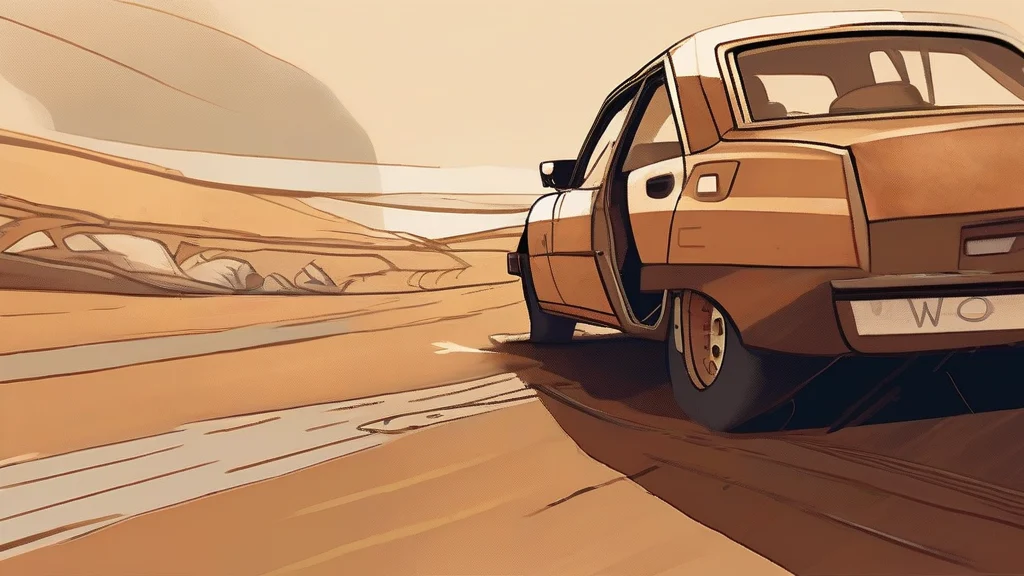
What does traction mean?
Traction denotes the pulling force involved in drawing something and, more commonly in modern usage, the grip that allows a tire, shoe, wheel, or other surface to move without slipping. A vehicle needs adequate traction to accelerate, steer, and climb; icy roads, wet pavement, or loose ground can cause it to lose traction. Engineers use the word when discussing tire design, railway propulsion, machinery, and the friction between contacting surfaces. In figurative contexts, something “gains traction” when it attracts interest, support, acceptance, or momentum. An idea, campaign, or business proposal may therefore gain traction among investors, customers, or the public. The word can sound mechanical and technical, but it is also standard in general reporting on current affairs and business. Its underlying idea is consistent across these uses: something acquires movement, support, or influence by maintaining a secure connection with its surroundings.
nounTraction is the pulling action or force involved in drawing something. By extension, it means the grip or adhesion that allows a vehicle, wheel, or foot to move without slipping.
- The grip or adhesion that enables a vehicle, wheel, or foot to move without slipping.
- The action of pulling or the force exerted in pulling something.
- The gaining of support, acceptance, or momentum for a person, plan, or development.
"The car regained traction on the icy road and continued cautiously uphill."
"Heavy rain reduced the traction between the tires and the road."
"The proposal quickly gained traction among local businesses."
Rare; traction is normally used as an uncountable noun.
"The article compares the different tractions available to railways today."
Traction gave the railway its grip—and the rubber tire its revolution.
Reviewed by Deb Chak, Editor. AI-assisted content curated by RJS Tech Solutions LLP.
Where does traction come from?
Traction entered English in the early 17th century from French traction, a noun derived from Latin tractio, meaning a pulling or drawing. The Latin word came from trahere, “to pull” or “to draw,” the same root found in cognates such as attraction, extraction, subtraction, and contraction. Its earliest English uses were mechanical, referring to pulling forces, before the word developed the broader sense of grip or adhesion.
How traction is actually used
Traction is common in vehicle, medical, and engineering contexts. In figurative use, “gain traction” means to acquire support, interest, or momentum and is especially frequent in business, politics, and media coverage.