What does transmontane mean?
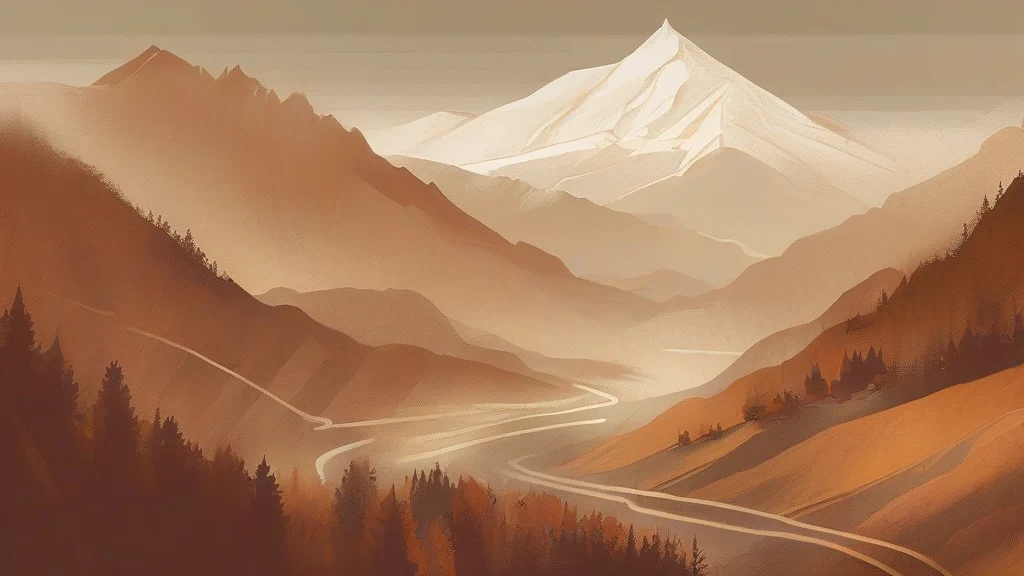
Transmontane refers to a location or region situated on the side of a mountain or hill, typically on the eastern or northern side. This term is often used in geographical and climatological contexts to describe regions with distinct environmental characteristics. The transmontane climate is characterized by mild winters and cool summers, making it an attractive region for various activities such as hiking and agriculture. The term is derived from the Latin words 'trans' meaning 'beyond' and 'montane' meaning 'of or pertaining to mountains.' Transmontane is an adjective and is often used in formal and technical writing. It is a useful term for describing regions with unique environmental features and is an important concept in geography and climatology.
adjectiveLocated or situated on the side of a mountain or hill, especially on the eastern or northern side.
- Located or situated on the side of a mountain or hill, especially on the eastern or northern side.
"The transmontane climate of the region is characterized by mild winters and cool summers."
"The transmontane climate of the region is characterized by mild winters and cool summers."
"The village is situated in a transmontane valley."
Reviewed by Deb Chak, Editor. AI-assisted content curated by RJS Tech Solutions LLP.
Etymology of transmontane
The term 'transmontane' is derived from the Latin words 'trans' meaning 'beyond' and 'montane' meaning 'of or pertaining to mountains.' This term was first used in the 17th century to describe regions beyond the mountains. Over time, the term has evolved to include regions situated on the side of a mountain or hill.
How transmontane is actually used
Transmontane is often used in geographical and climatological contexts to describe regions with unique environmental characteristics.