
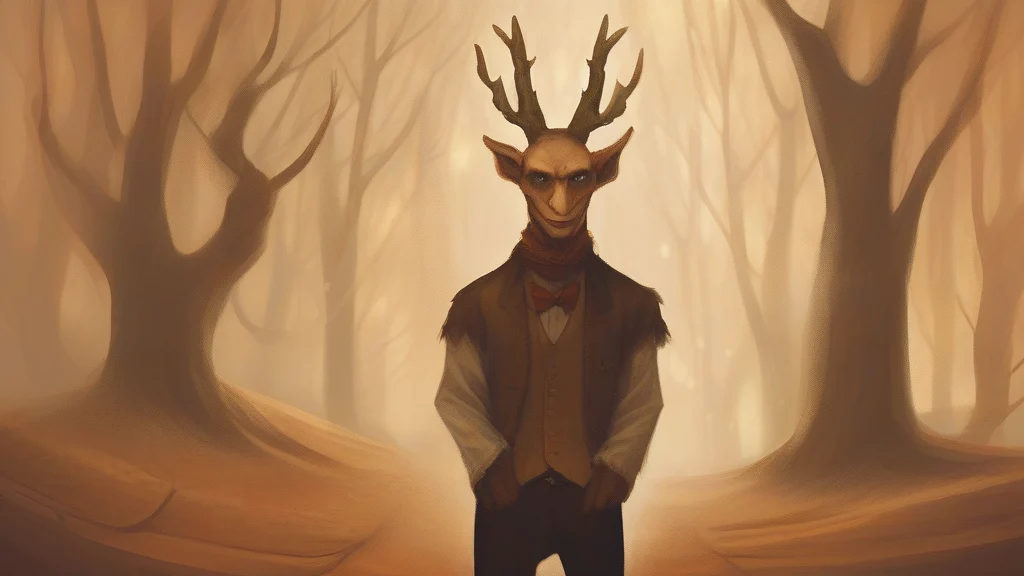
What does trickster mean?
A trickster is someone who deceives or cheats others, often habitually and in order to gain an advantage. The word can also refer to a mythical or legendary figure found in folklore, religion, and cultural traditions. Such figures use deception, wit, and mischief to challenge authority, upset social expectations, or expose contradictions in the communities that tell their stories. Trickster figures are not always straightforward villains: they may create disorder, suffer consequences of their own actions, or serve as teachers through unconventional lessons. In ordinary conversation, calling a person a trickster is usually disparaging, suggesting that they are untrustworthy and manipulative. The term is especially common in discussions of mythology, folklore, literature, and cultural studies, where it describes a recurring type of complex, boundary-crossing character rather than a single fixed story.
nounA trickster is a person who deceives or cheats others, especially habitually or in order to gain an unfair advantage. In folklore and cultural studies, a trickster is a mythical or legendary figure characterized by deception, mischief, and the crossing of social or moral boundaries.
- A person who deceives, cheats, or exploits others.
- A mythical, legendary, or cultural figure known for deception, mischief, and boundary-breaking behaviour.
"The folkloric trickster appears in stories that combine comic mischief with sharp lessons about morality and social order."
"The court dismissed him as a trickster after investigators showed that he had manipulated the documents."
"In many stories, the trickster survives through quick thinking and repeatedly challenges the conventions of the society around him."
The regular plural takes -s.
"The novel portrays several tricksters who compete for control of the town."
Tricksters have appeared in traditions around the world, often as comic troublemakers whose deception exposes the weaknesses of a community—or of the trickster themself.
Reviewed by Deb Chak, Editor. AI-assisted content curated by RJS Tech Solutions LLP.
Etymology of trickster
The word is English, formed from “trick” and the suffix “-ster,” which is used in forming nouns that denote people or agents. Its everyday sense developed from the idea of a person who performs tricks or deceives others, while its use for a mythic or trickster-like figure follows a long literary and folklore tradition.
How trickster is actually used
In its everyday sense, the term is often derogatory and may imply habitual dishonesty or manipulative behaviour. The mythological and cultural sense is more specialized and can describe figures who are clever, disruptive, morally ambiguous, or genuinely unsettling rather than simply criminal.