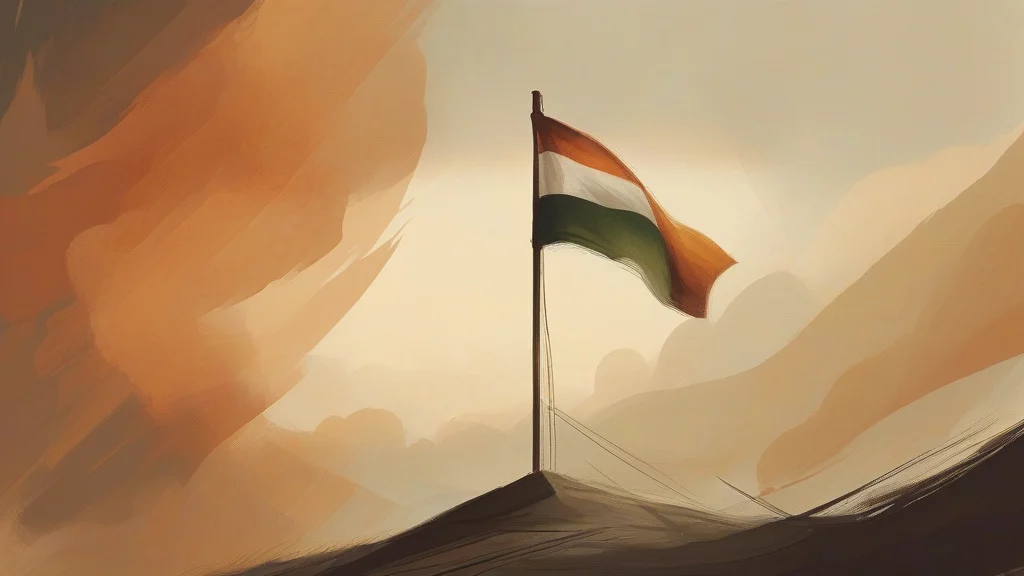
What does tricolour mean?
A tricolour is a flag, emblem, or design featuring three colours. This visual representation can symbolize a nation, organization, or idea. The most famous tricolour is the French national flag, consisting of blue, white, and red stripes. Tricolours are used globally, serving as national flags, company logos, or decorative elements. They often carry significant meaning, representing the values, history, or geography of a country or entity. The use of three colours can create a visually striking and easily recognizable symbol. Tricolours can be found in various contexts, from national flags to corporate branding, and even artistic designs. The versatility of tricolours makes them a popular choice for representation and identification purposes.
A flag or emblem having three colours.
"The French national flag is a tricolour."
Having three colours.
"The company's logo features a tricolour design."
The plural form 'tricolours' is used when referring to multiple flags or emblems with three colours.
"The museum displayed several tricolours from different countries."
Reviewed by Deb Chak, Editor. AI-assisted content curated by RJS Tech Solutions LLP.
Etymology of tricolour
The word 'tricolour' originates from the French language, where 'tri' means 'three' and 'couleur' means 'colour'. The term has been adopted into various languages, including English, to describe flags or emblems featuring three colours. The concept of tricolours dates back to the late 18th century, with the French Revolution's adoption of the blue, white, and red tricolour flag.
How tricolour is actually used
The term 'tricolour' is often used to refer specifically to the French national flag, but it can also describe any flag or emblem with three colours.